


A long enough video is the point at which an AI video test stops being a single clip and begins to take the form of a full edit. For this Seedance 2.5 experiment, the brief was a fictional seaside hotel visit: a guest arrives, moves through the space, receives service, and leaves the viewer with a small travel film rather than a model demo.
In this test, Seedance 2.5 did not generate a finished video in a single run. We built it from multiple short generations, then trimmed, rearranged, color-adjusted, and mixed the result in post. The useful question was more practical: can Seedance 2.5 produce footage coherent enough for a designer or motion designer to shape into a finished short?
ByteDance's Seed team describes Seedance 2.5 as a multimodal video model built around long-form storytelling, reference-based generation, editing, and audio-video generation. In this test, we used a reference-based Omni workflow at 720p, then upscaled the finished video to 1080p using Topaz Astra.
We started with the references
The production path looked like this: description, script, character map, storyboard, final references, individual video generations, selection, editing, finished film. One impressive shot would not answer the brief.
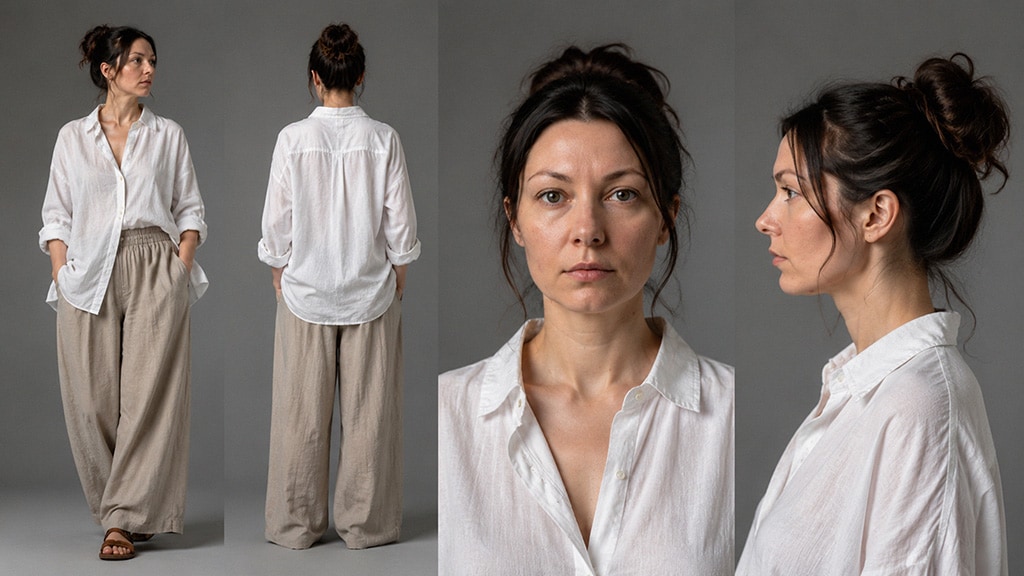
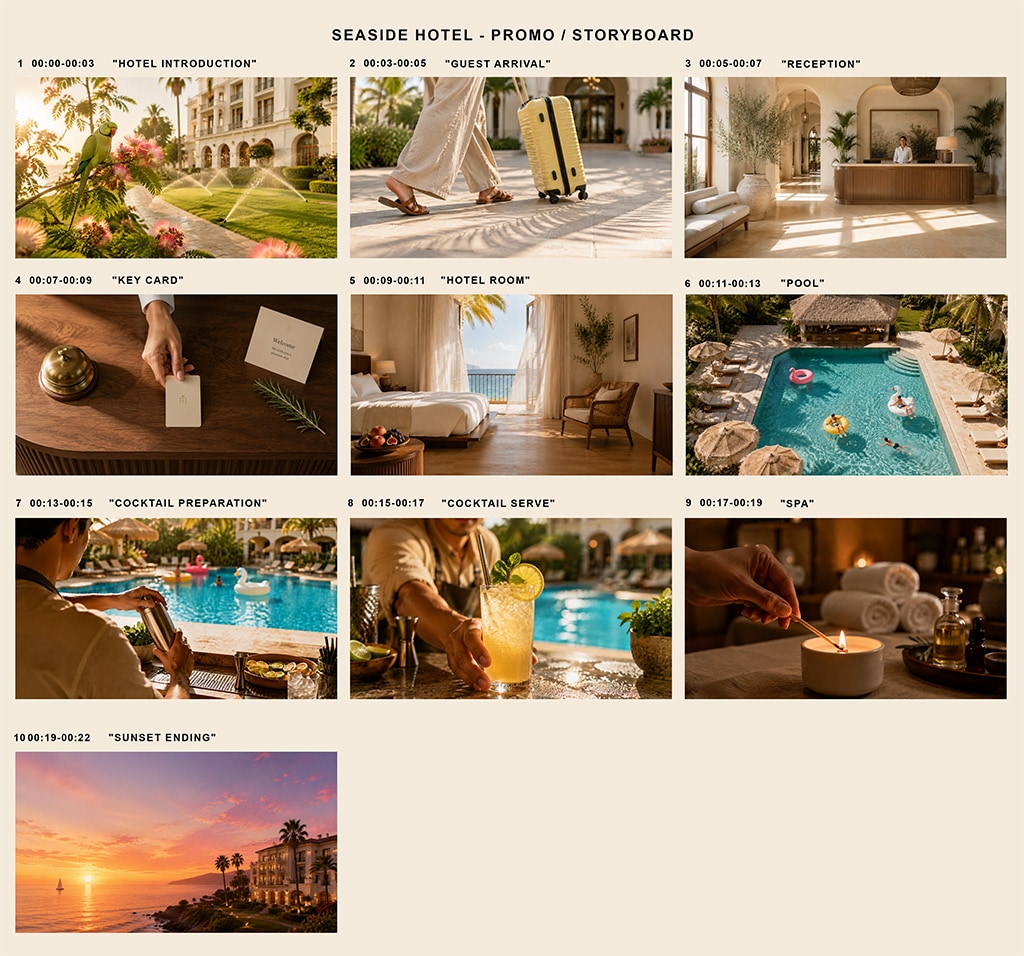
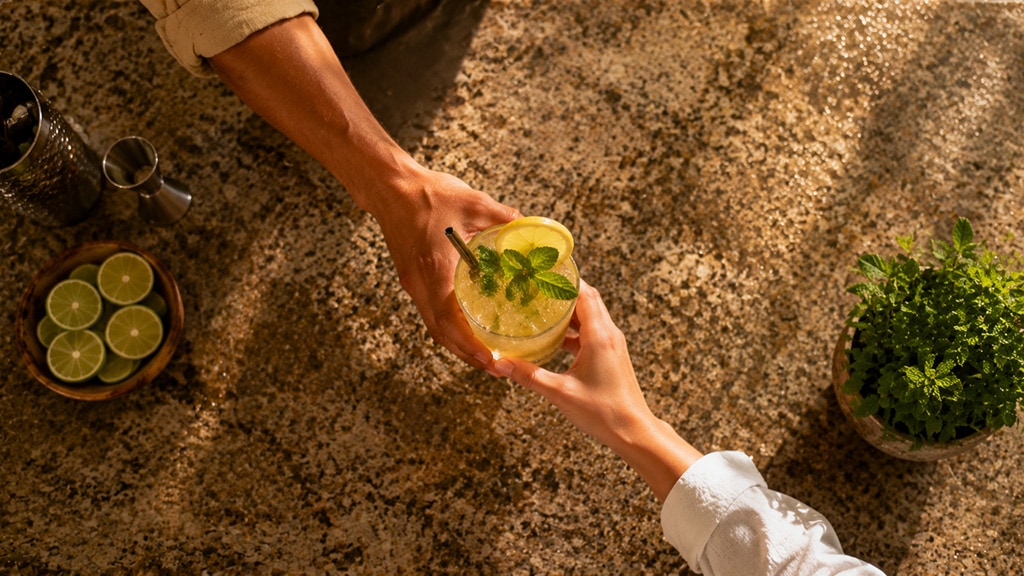
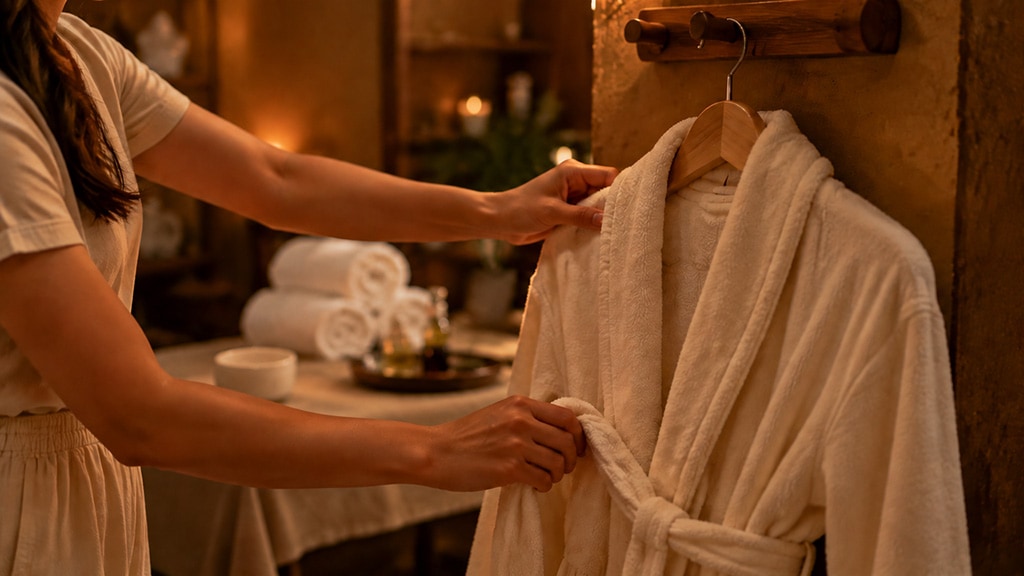

Character Map, Storyboard, and Extra References
The initial concept became a short script with ChatGPT, then a character map fixed the guest's face, hairstyle, clothing, and general appearance before motion was attempted. The system initially rejected one of the character's first references for generation, but after a minor visual adjustment, it was possible to use it.
We created the storyboard images using GPT Image 1, then used GPT Image 2 to generate the final, higher-quality reference frames, where some scenes were replaced or expanded.
Where Seedance 2.5 worked
From its first generations, Seedance 2.5 produced usable footage. Camera movement and overall pacing often landed close to the intended direction, and several transitions between shots were strong enough to become part of the edit with minimal adjustment.
One of the most satisfying aspects of the test was the consistency of the character's appearance. In almost every selected frame, the figure, hairstyle, and clothing generally matched the character description. Minor visual discrepancies remained, but the overall appearance was preserved well enough for the finished promo.
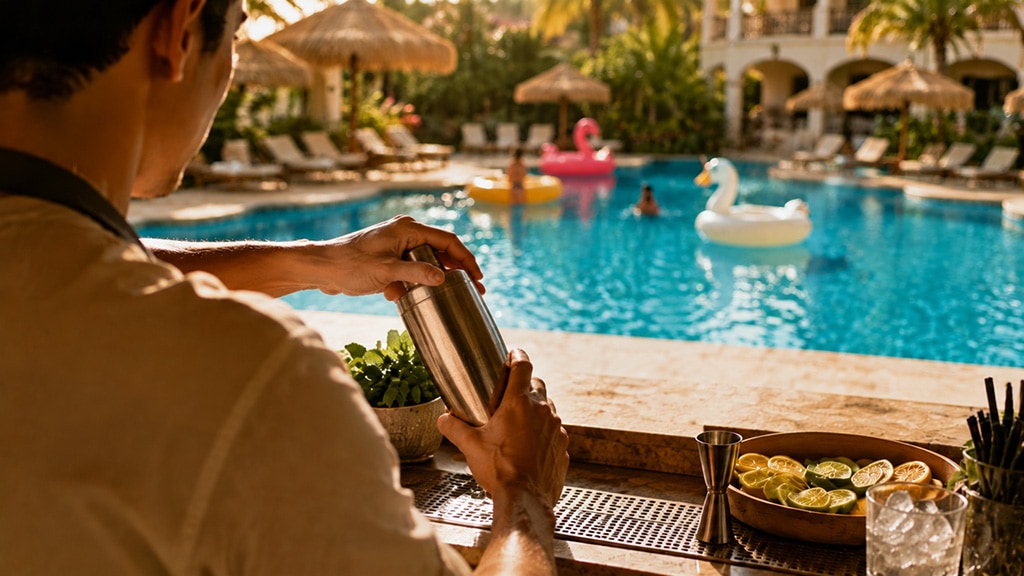
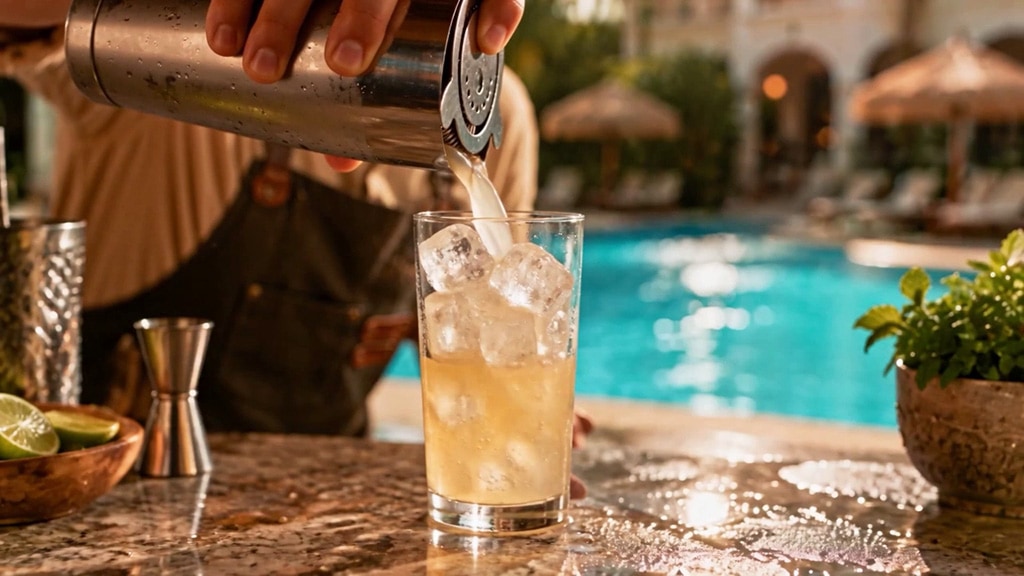

Cocktail Sequence: Shake, Pour, Serve
The cocktail scene was the clearest example of useful interpretation. The instruction was essentially that the bartender prepares a cocktail. Seedance returned material that behaved like three connected shots: shaker, pour, served drink. That cut-like structure was not requested in exactly that form, but it gave the edit a usable rhythm. Sometimes the model interpretation becomes an editorial suggestion.
Where it didn't
Human interaction still needed close checking, especially when arms and hands entered the frame. In shots where the guest received a key card or a cocktail, one generated arm became visibly too muscular for the established character, even though stylistically it still looked like the same person.
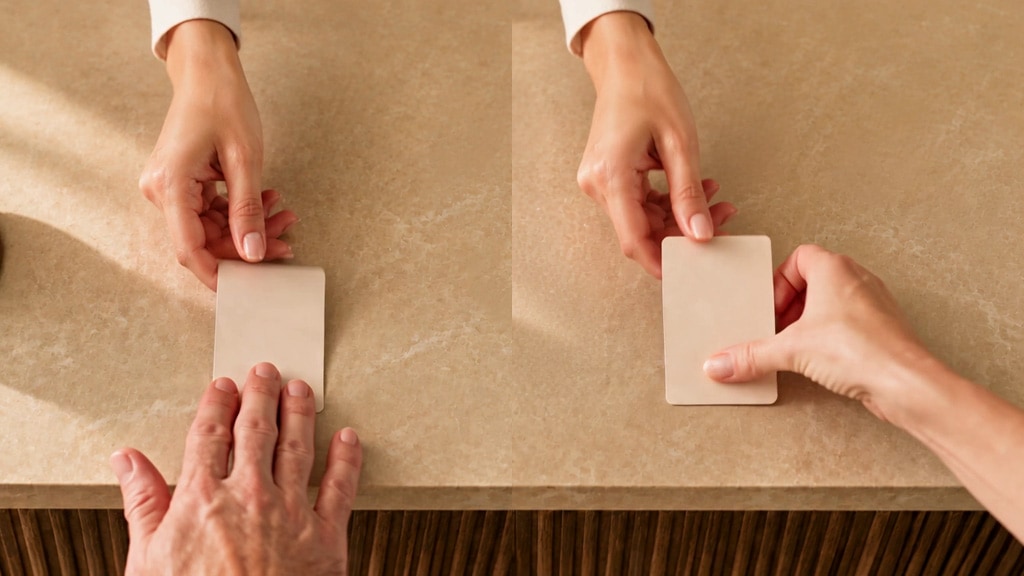
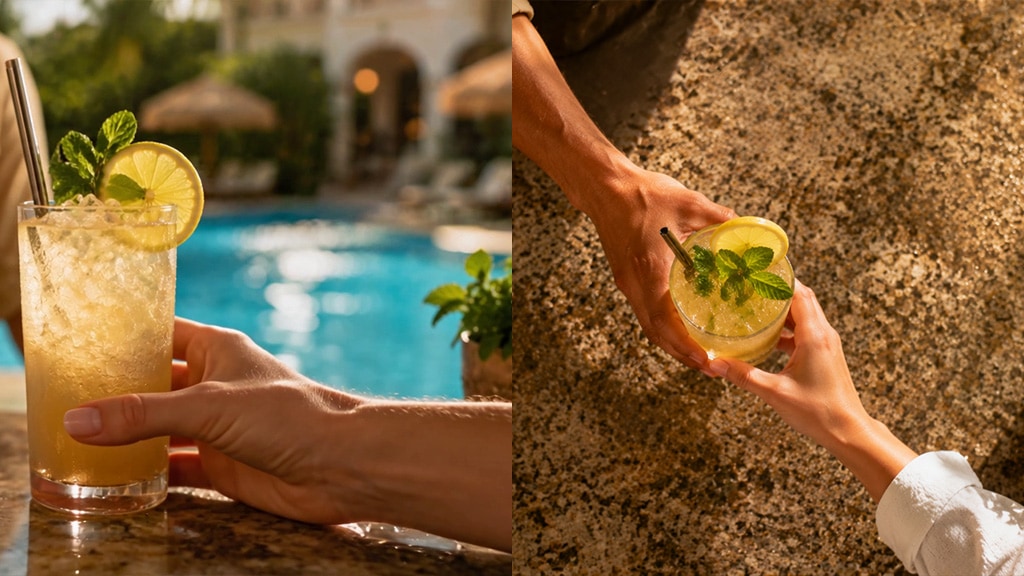
First Attempt vs. Final Selection
Motion had its own tells. One pool scene produced a swimmer with a breaststroke-like upper body while the legs stayed unnaturally straight.
Seedance 2.5 also filled gaps when the references and prompt did not carry enough information. One generation introduced hotel branding even though no name or logo had been provided. Other regenerations happened because source-image inconsistencies in material, color, or object position became more obvious once animated. Reference quality matters because animation amplifies still-image errors.
How this test looks in numbers
The original 31-second video was assembled in 16:9 from 720p Seedance 2.5 generations. Individual generations ranged from roughly 4 to 10 seconds. We generated 13 Seedance clips; footage from 10 appeared in the final edit, and 3 were rejected completely.
Given the relatively high cost of generating with Seedance 2.5, we chose to work at 720p rather than push the generation resolution higher. Once the edit was finished, we used Topaz Astra to upscale the final video to 1080p. In our case, this gave us a higher-resolution final export without having to generate every Seedance shot at a higher resolution.
Audio followed the same pattern as the picture. Seedance generated sound with the video, and some of that generated audio was retained. Other sound was replaced or supplemented, with an instrumental AI music track added during editing.
We ran the experiment through Syntx AI, while Runway, Dreamina, Snaptale, Scenario, and other creator or API platforms currently document Seedance 2.5 access with their own modes, limits, and pricing.
The takeaway
Can Seedance 2.5 be used to create a complete video with a consistent theme and visual style? Based on our test, yes. What stood out was how well the model captured the intended atmosphere and translated direction into motion, as long as the project still had creative direction around it.
The important caveat is the production work around the model. A finished video still requires shot selection, regeneration, editing, and a clear eye for which AI-made moments belong in the final cut.


Discussion