


Designers can find more references in five minutes than a studio library used to hold in five years. What is harder to find is the kind of material that still helps after the app changes, the moodboard cools off, and the client asks why the type feels wrong.
That is the useful angle on Design Books, a curated collection of 100 books across product, interaction, visual design, usability, systems, and craft. It reads like a small shelf built for return visits, with more emphasis on judgment than novelty.
What a durable design shelf teaches
The site's topic filters tell you a lot about the editorial idea: Brand Identity, Color, Design Systems, Graphic Design, Product Design, Typography, Usability and UX, Visual Perception. That range matters because durable design knowledge rarely sits inside one discipline. Type changes how a product feels. Color changes what hierarchy can get away with. A grid turns an opinion into a system.
The collection puts Kenya Hara's Designing Design in the same library as Alla Kholmatova's Design Systems, Don Norman's The Design of Everyday Things, Josef Albers' Interaction of Color, and Massimo Vignelli's The Vignelli Canon. Good. A designer who only reads toward the next interface trend misses the slower ideas underneath the interface.
A few useful angles
Designing Design is useful here because Hara treats perception as a working material. The book's Design Books entry points to emptiness, restraint, communication, and experience, which is a better brief than "make it simple." Simplicity has to be noticed before it can be designed.
The Vignelli Canon gives the shelf its stricter voice. Vignelli's concern with semantics, structure, typography, scale, and consistency makes the book feel almost allergic to reference-hoarding. If your design process has become an endless scroll of nice posters, this is the book that asks where the rules are.
Bringhurst's The Elements of Typographic Style pushes typography past font choice. The Design Books entry frames it through rhythm, proportion, hierarchy, and reading, which is exactly why the book keeps resurfacing for editorial designers and interface designers. Type is spacing, duration, order, and tone before it is a menu in Figma.
Paul Rand's IBM: Graphic Design Guide from 1969 to 1987 is the cleanest reminder that "design systems" did not arrive with component libraries. IBM's grids, symbols, stationery, and production rules show an identity at organizational scale. The lesson is still current because the problem is still current: how do you make thousands of small decisions feel like one designed thing?
Interaction of Color shifts the conversation from palettes to perception. Albers' exercises are about relationships: hue, value, proportion, and context changing what the eye thinks it sees. That is useful for interface work, poster work, and every brand deck where the color page looks confident until two swatches start fighting each other.
Don Norman's The Design of Everyday Things widens the shelf beyond visual form. Affordances, feedback, and mental models give designers a way to talk about behavior, not merely appearance. It is the bridge from "this looks clear" to "a person can understand what to do next."
Alan Fletcher's The Art of Looking Sideways offers a useful counterpoint to the more systematic books in the collection. Design Books frames it as a visual notebook of observations, images, language, and wit. It is the book for the part of design education that cannot be reduced to a method: staying awake to what the world is already showing you.
How to use it
The bad way to use a 100-book list is to treat it like homework. Nobody needs another guilt shelf. The better way is to save the site, pick one problem you keep meeting in your own work, and follow that thread: typography if layouts feel weak, color if palettes collapse, systems if every screen seems designed by a different mood.
That makes Design Books more useful than a seasonal reading list. It does not need to be a definitive list of the 100 books every designer should own. It works better as a map of ideas that can survive beyond current tools the kind of books worth returning to when the screen gets noisy again.
 Design Books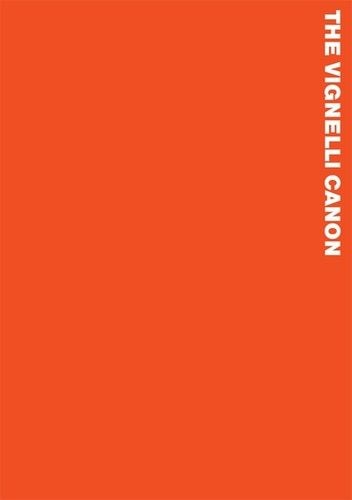


Discussion