


In August 2026, Crocs gave its crocodile a body, a job and a personality of its own. Niles arrived in an office micro-series filmed alongside Crocs employees. Two months earlier, GEICO had put its Gecko into a real-time, AI-powered podcast conversation. One character needed stories to inhabit; the other needed to respond in the moment.
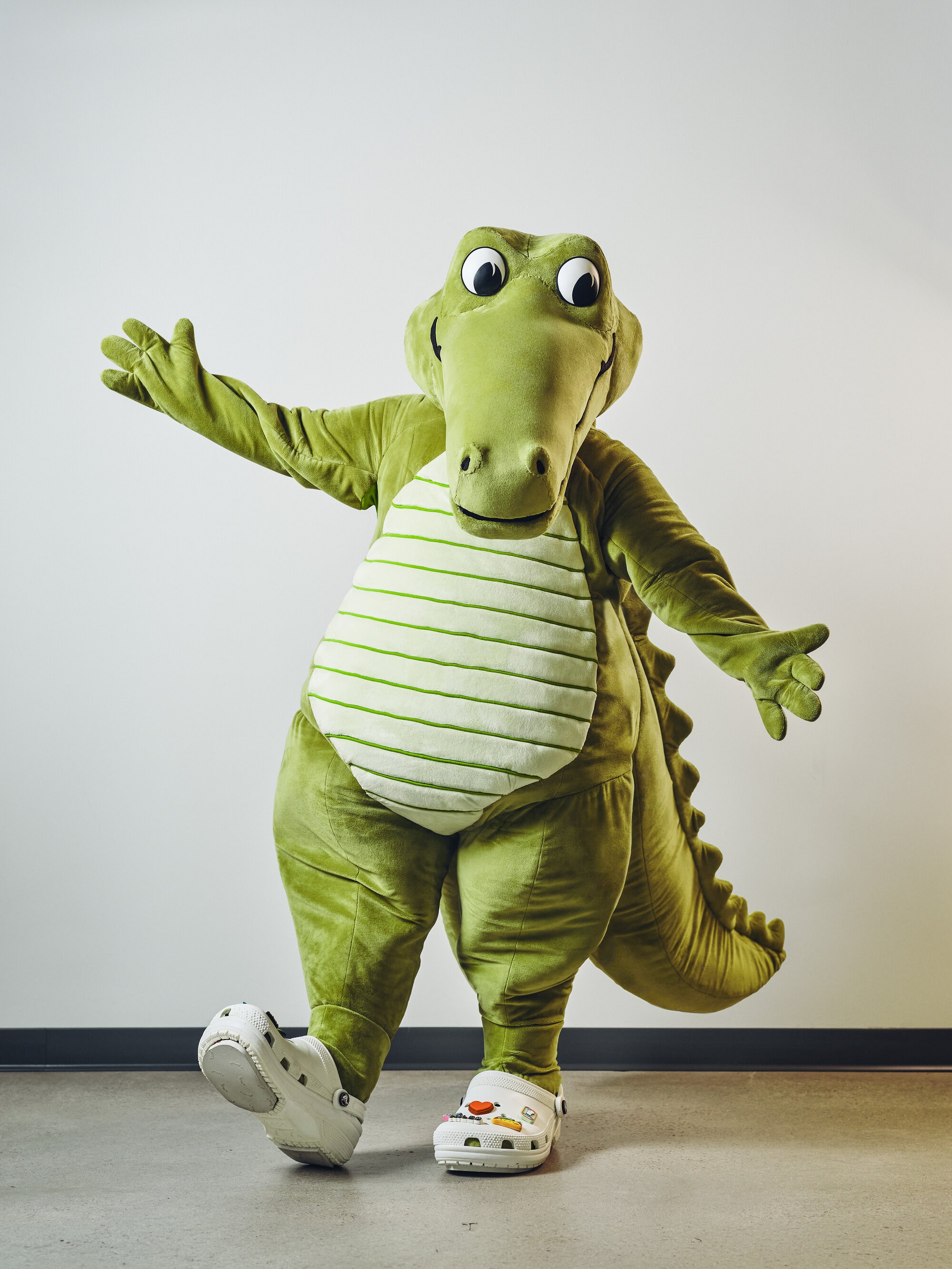

Niles, Crocs. Image: Crocs / PR Newswire
Both projects ask more of a familiar face. Across several recent identities, characters are taking on roles that stretch the original drawing into something people can watch, use or meet. What keeps a character recognizable when it moves, responds, changes medium or becomes a product? Increasingly, the design includes the rules that allow it to remain itself.
Personality needs a vocabulary
MOOCO's MODI project for digital wallet MODO gives that idea a practical form. The studio translated the character's personality into facial expressions, gestures, reusable poses and outfit variations, alongside 2D and 3D explorations. With a brief spanning interfaces, motion, print and physical applications, MODI was designed to accommodate new formats from the outset.
The expression sheet makes the method tangible. Front and side views sit beside faces showing different moods, with color swatches underneath. Personality becomes something another designer can pick up and extend.
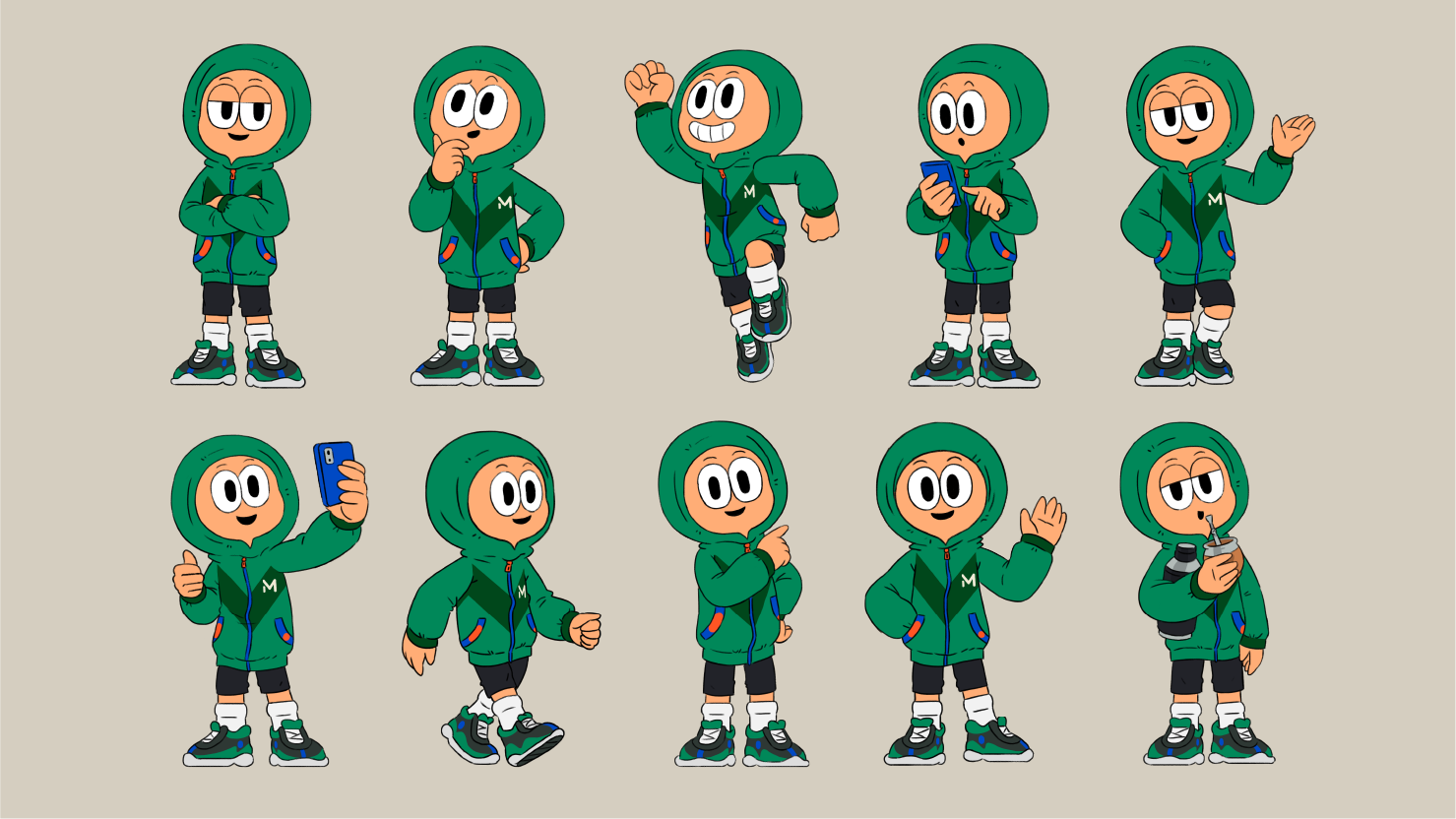
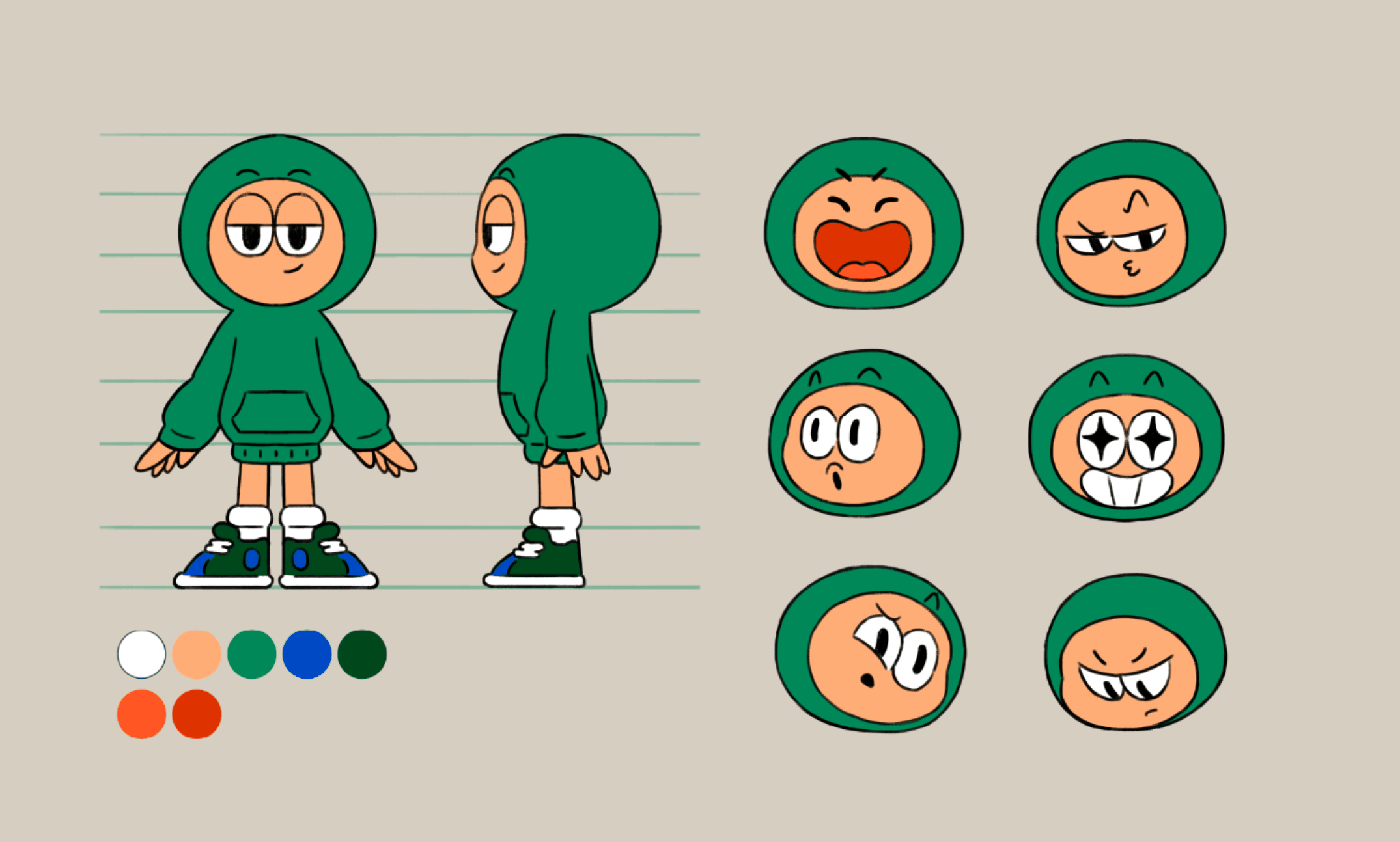
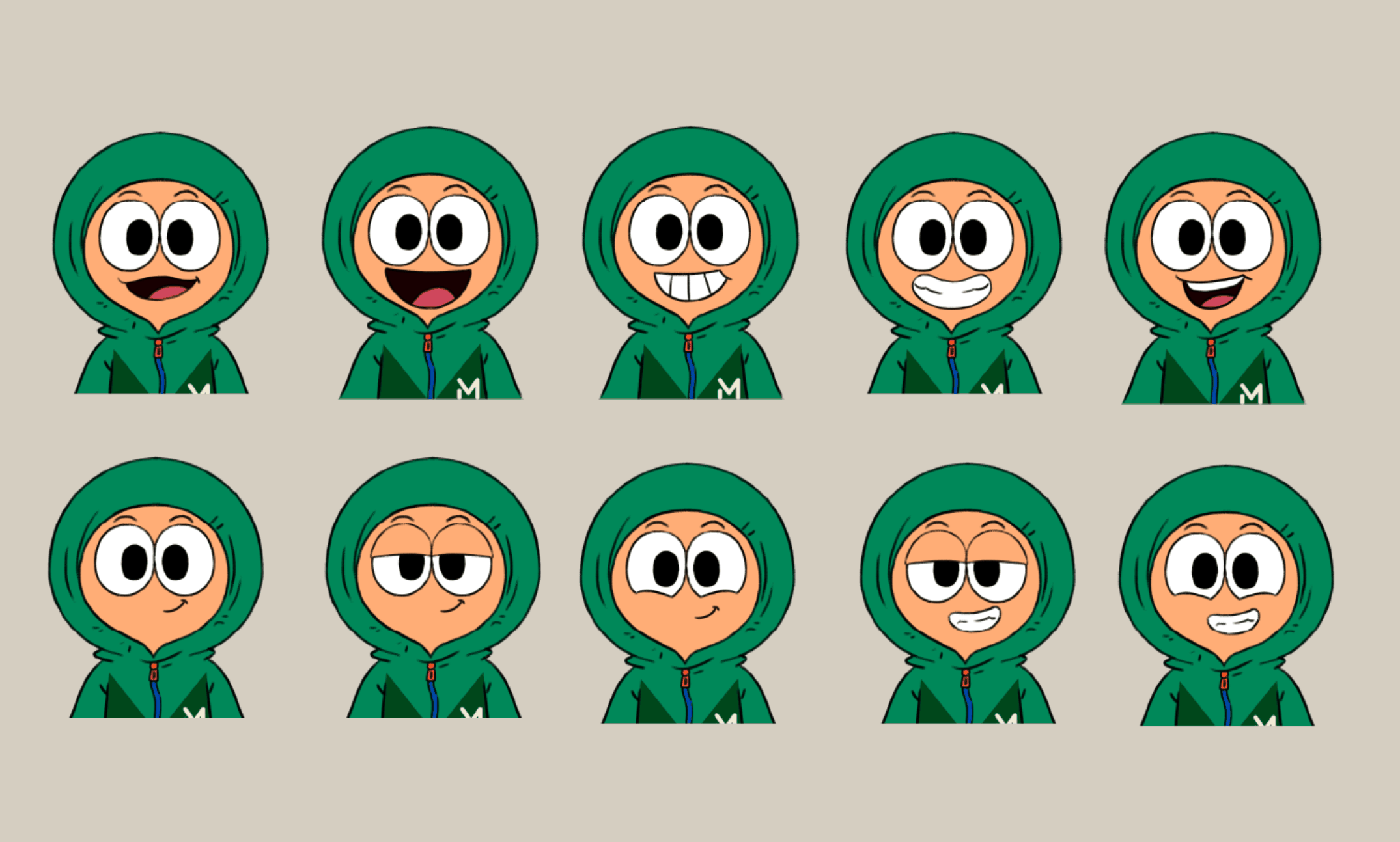
MODI for MODO. Image: MOOCO Studio
That handoff matters. An adjective such as friendly leaves considerable room for interpretation, especially when an illustrator, animator and product team each work on different appearances. A usable system gives them decisions they can repeat: how the face reacts, how the body carries itself, and how far an expression can stretch. Those decisions also need limits. Otherwise, every new pose becomes a small redesign.
Moving off the page puts those decisions to work. Sonar traces George from a glowing orb beside its logo to an in-app presence delivering notifications, then into a 3D-printed object, animation and a full-size costume. A functional software detail expanded into physical objects and company gatherings, with each format asking something different of the same identity.
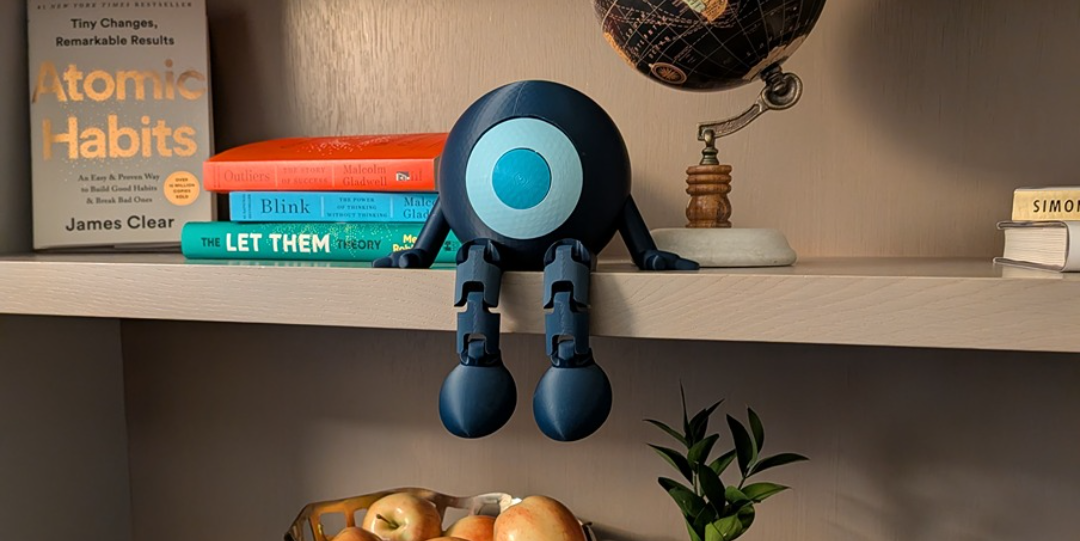
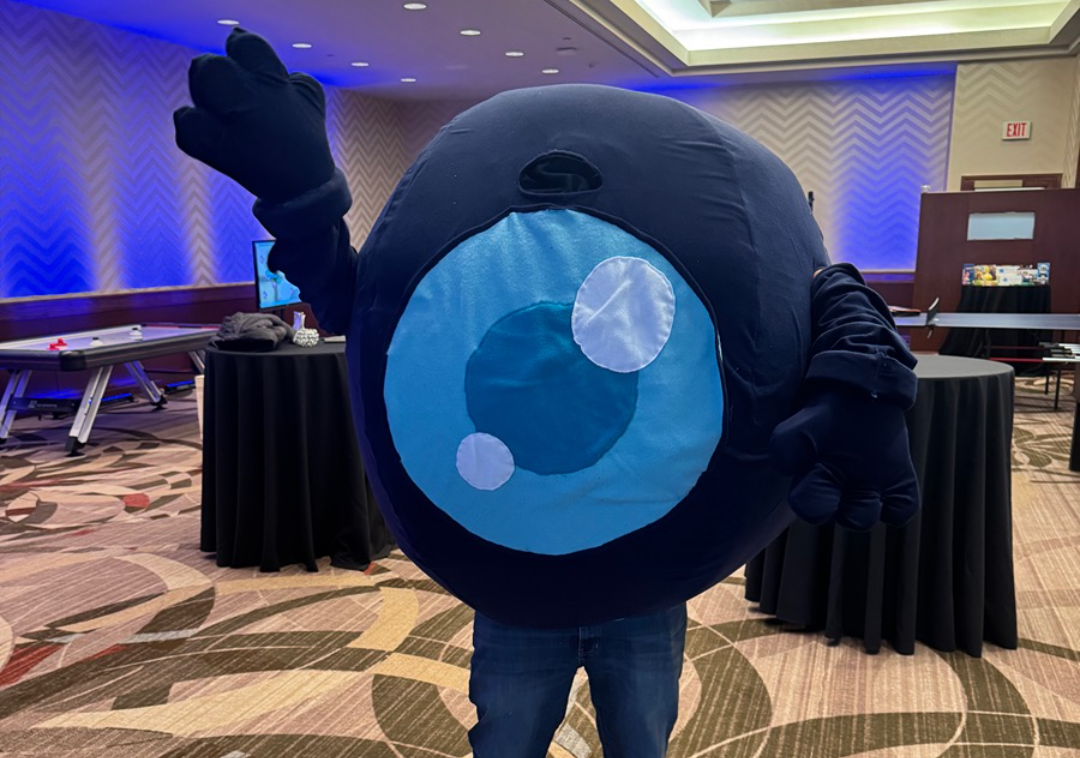
George, Sonar. Image: Sonar
A tiny screen element must remain legible; a costume must accommodate a moving human body. Recognition depends on knowing which features matter enough to preserve and which proportions or details can change. Copying a drawing literally into every medium can preserve its measurements while losing its character. Consistency takes interpretation.
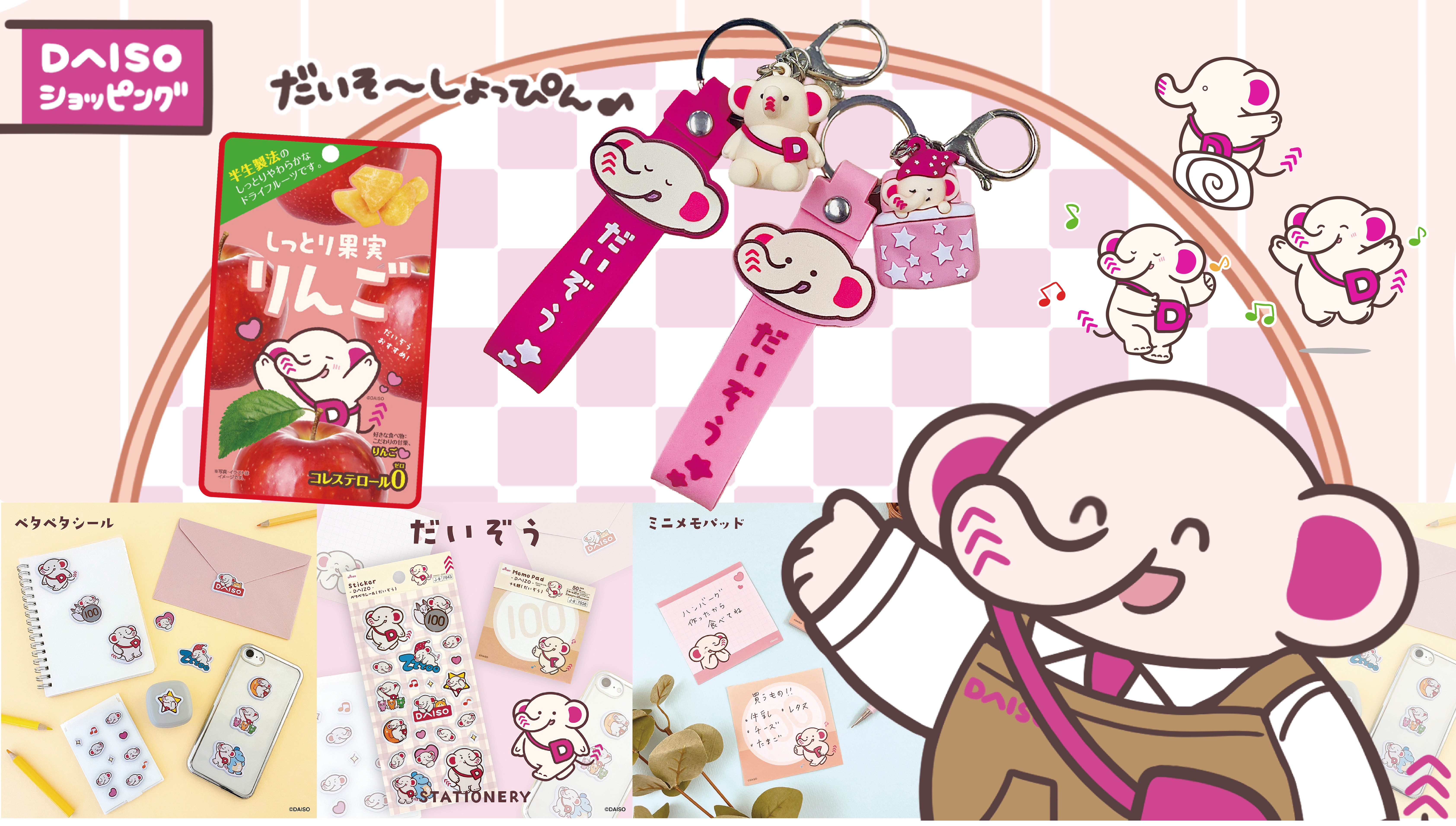
DAISO's Daizou carries that problem into everyday use. The character incorporates the brand's pink and corporate Three Arrows motif, connecting it to an existing identity. It subsequently appeared as store figures and merchandise, with animated LINE stickers joining in September 2026. In a chat, the sender supplies the context: the same character has to remain recognizable while expressing someone else's reaction.
Behavior needs boundaries
As characters acquire more ways to appear, they also acquire more ways to act. Crocs' Niles announcement describes a sitcom-style character with interests, flaws and ambitions. Giving a symbol those qualities creates decisions that a logo manual rarely addresses: what frustrates him, how he relates to other people, and what he would never do. A recurring story needs enough consistency for viewers to recognize a personality across changing situations.
The Gecko brings those decisions into live conversation. In the podcast appearance described by GEICO, human teams guided the character's voice and creative direction and reviewed its real-time output. The setting was Azzi Fudd's podcast, where an established personality had to hold together through an AI-powered exchange.
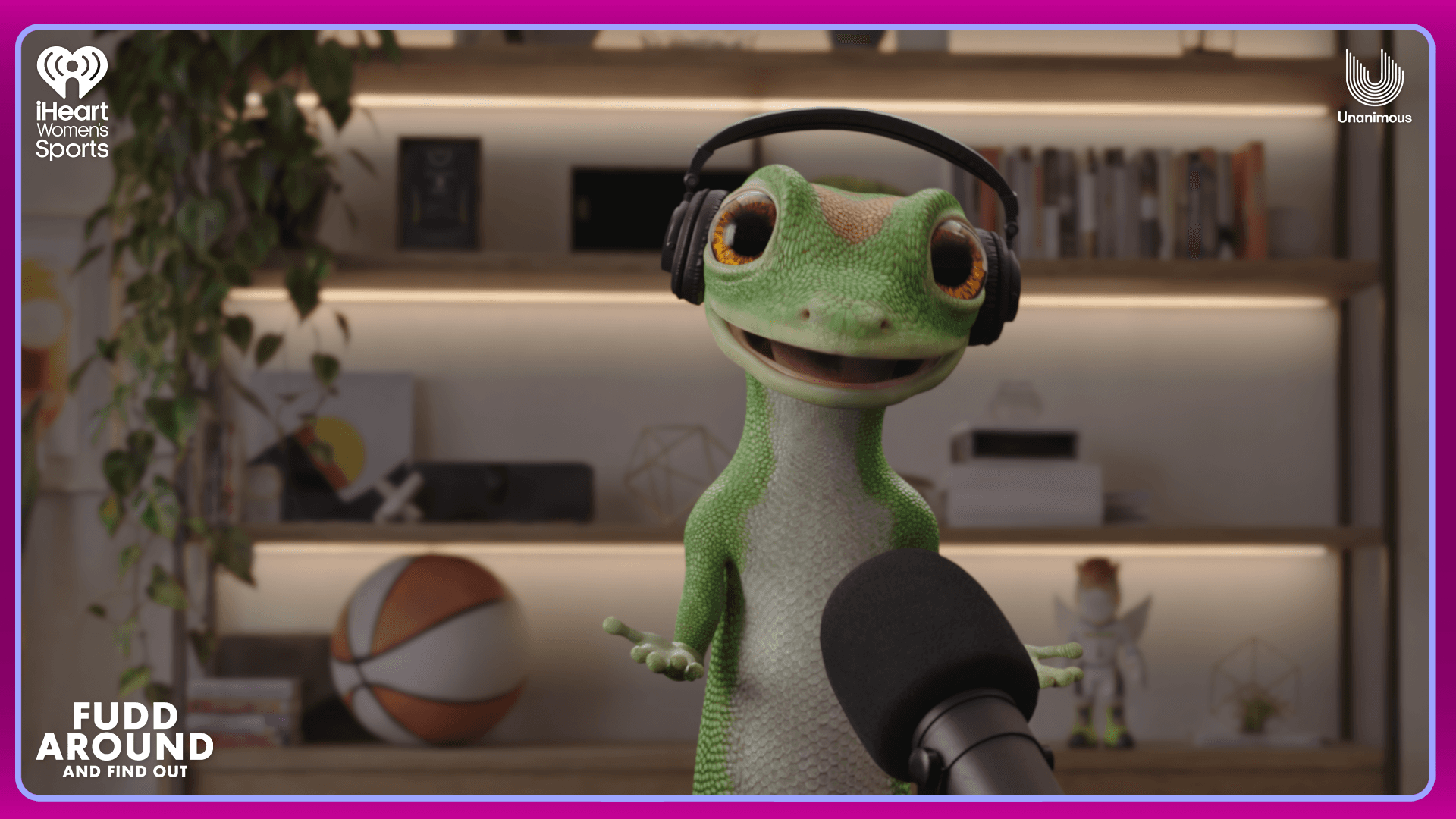
A character can look right and still say something that feels completely wrong. That possibility expands the questions behind a character brief: what language fits, how far the humor goes, how it handles an unfamiliar subject. Voice becomes a matter of judgment as well as sound. The expression sheet can only take you so far.
Once those rules extend across stories, products and interactions, someone has to keep the system coherent after the initial design. Crocs already frames Niles as a long-term investment in intellectual property, with ambitions extending beyond the first micro-series and physical appearances. That makes the character less a finished asset than something the brand will need to keep interpreting as new uses emerge.
The drawing remains the starting point, but its success becomes harder to judge in isolation. A useful test is whether the character can take on a role it was never originally drawn for and still feel like itself.


Discussion