


Seven songs, 700 sleeves, and no artist name to lean on. That is the useful tension inside Secret 7", the War Child auction that turns the record sleeve into a small test of how visual work is valued when reputation goes quiet.
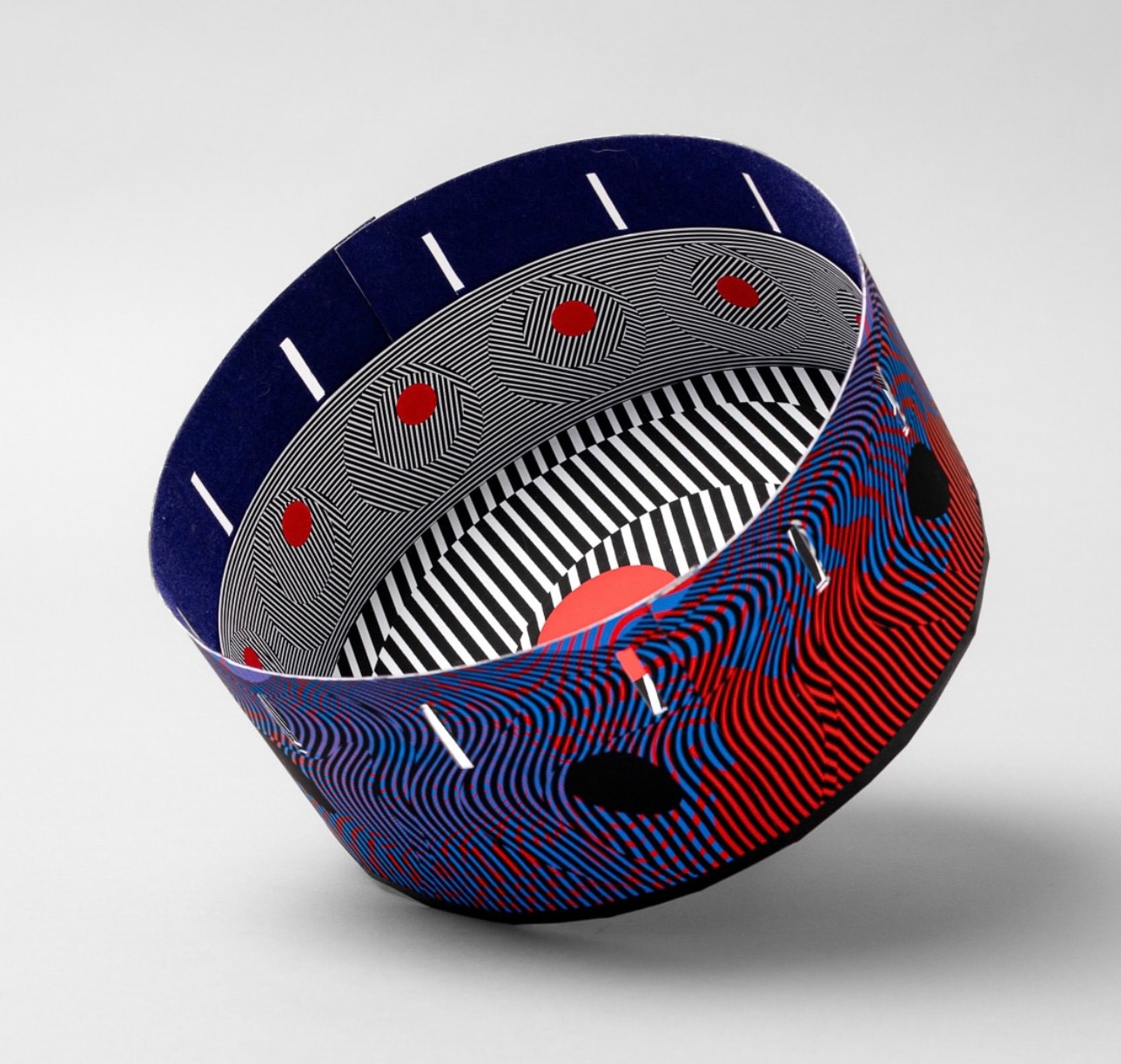
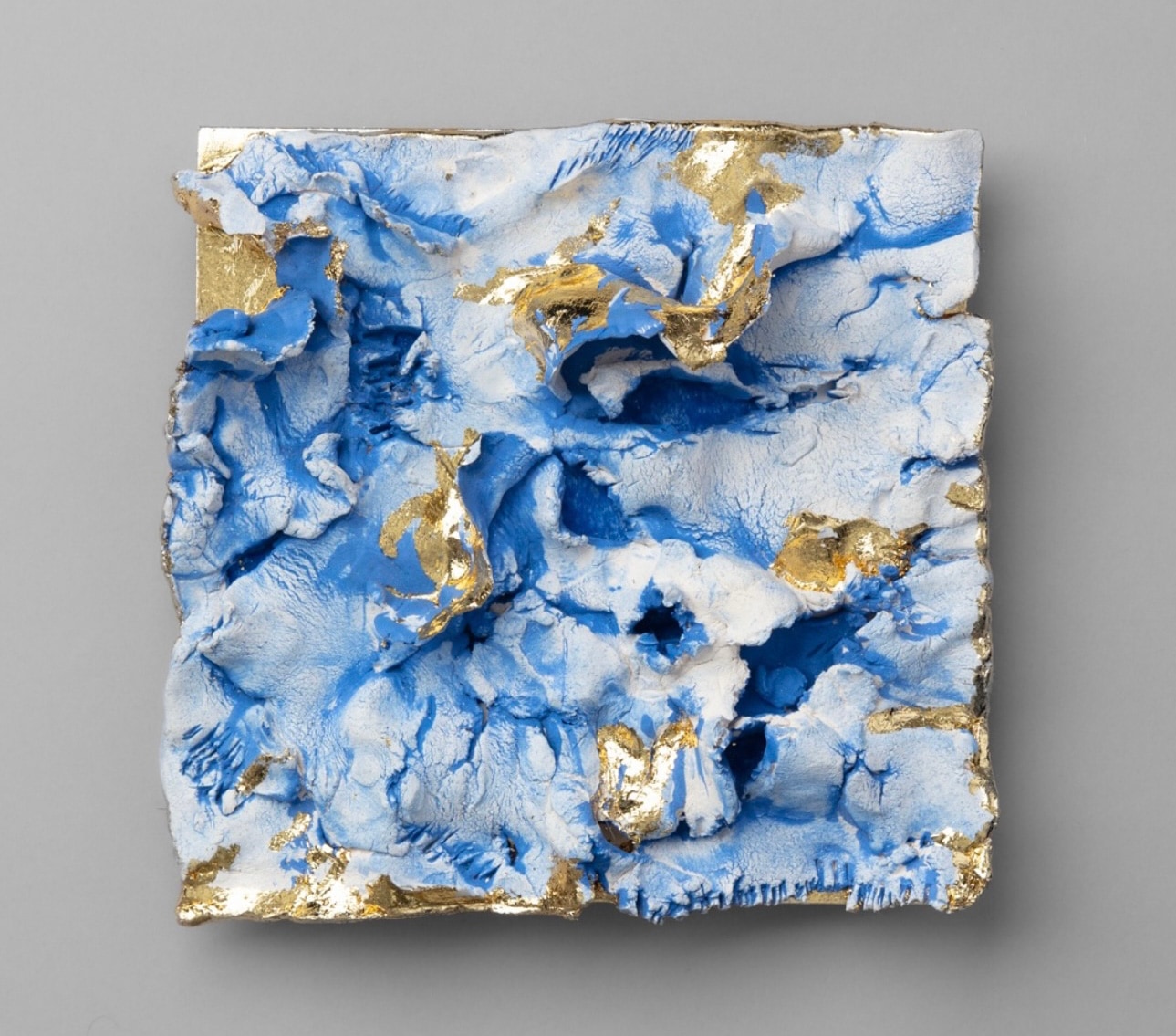
The format is simple enough to explain in one breath. Secret 7" selects seven tracks, presses each one 100 times on seven-inch vinyl, and pairs every record with a unique sleeve made by an artist, designer, illustrator, musician, or maker. The 2026 edition, its 10th since the project began in 2012, centers on John Lennon's "Out The Blue", Gabrielle's "Out of Reach", The Maccabees' "No Kind Words", The Last Dinner Party's "Let's Do It Again!", Skin's "Purple", Glass Animals' "Take A Slice", and Bastille's "Hope For The Future".
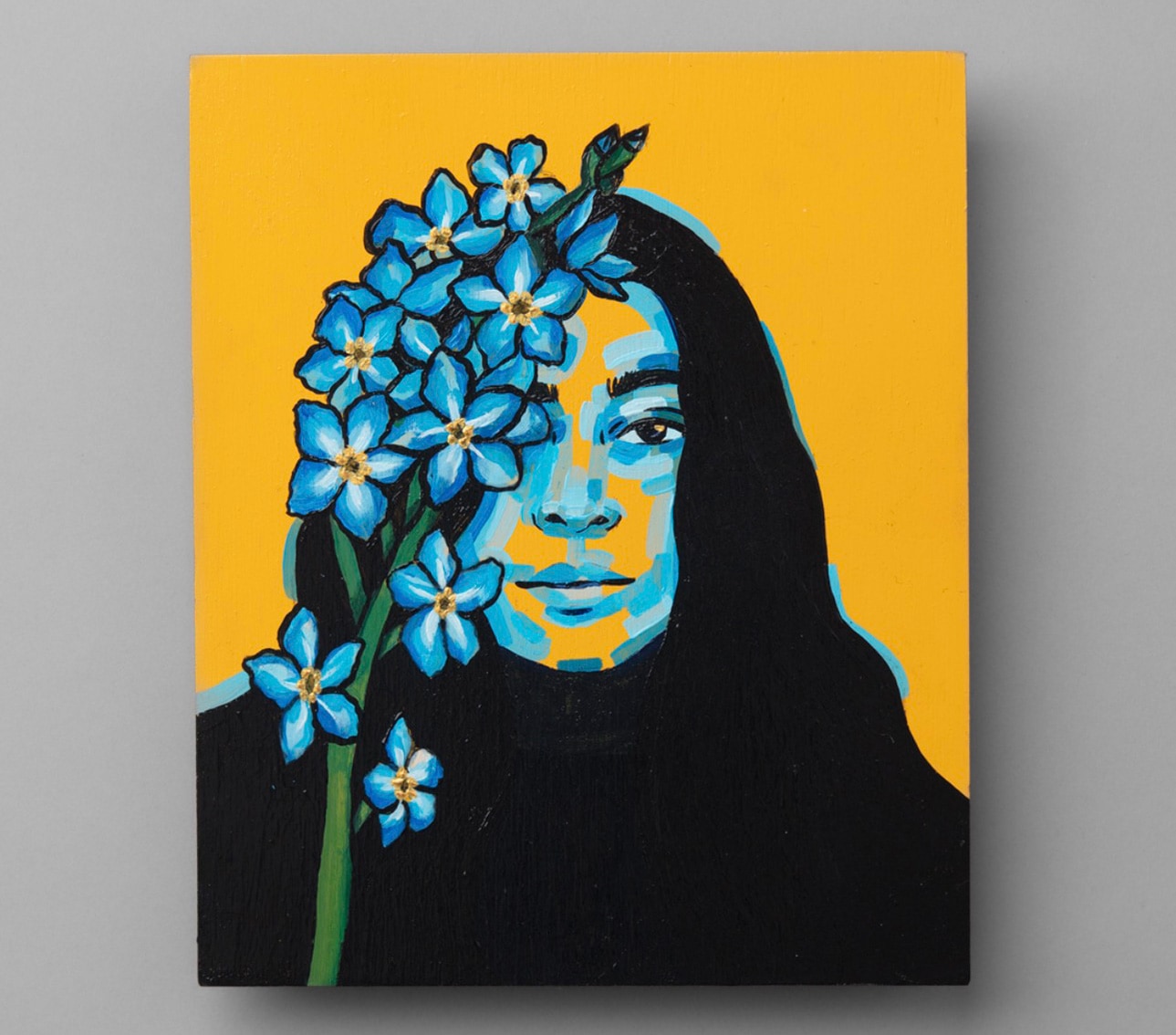
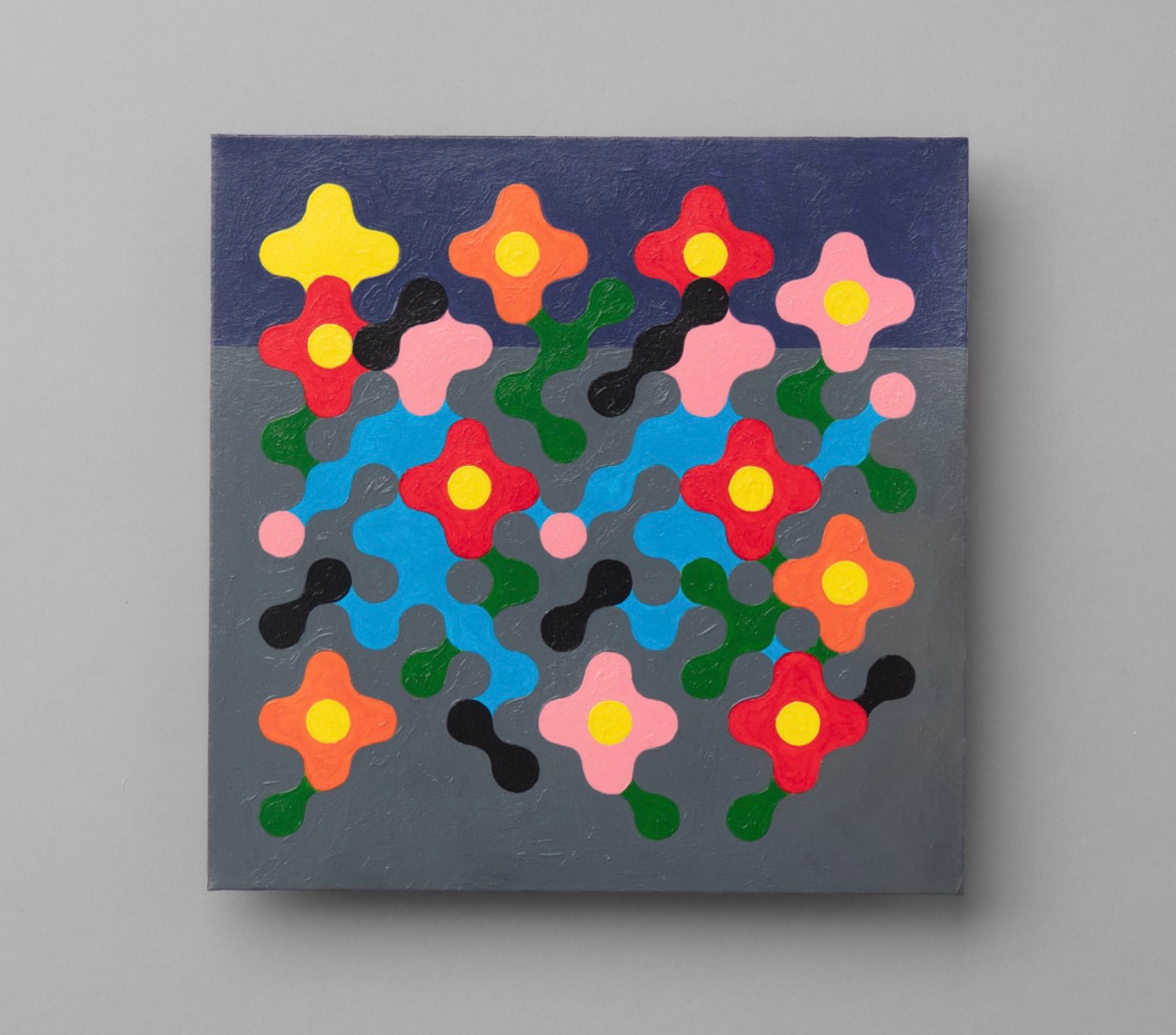
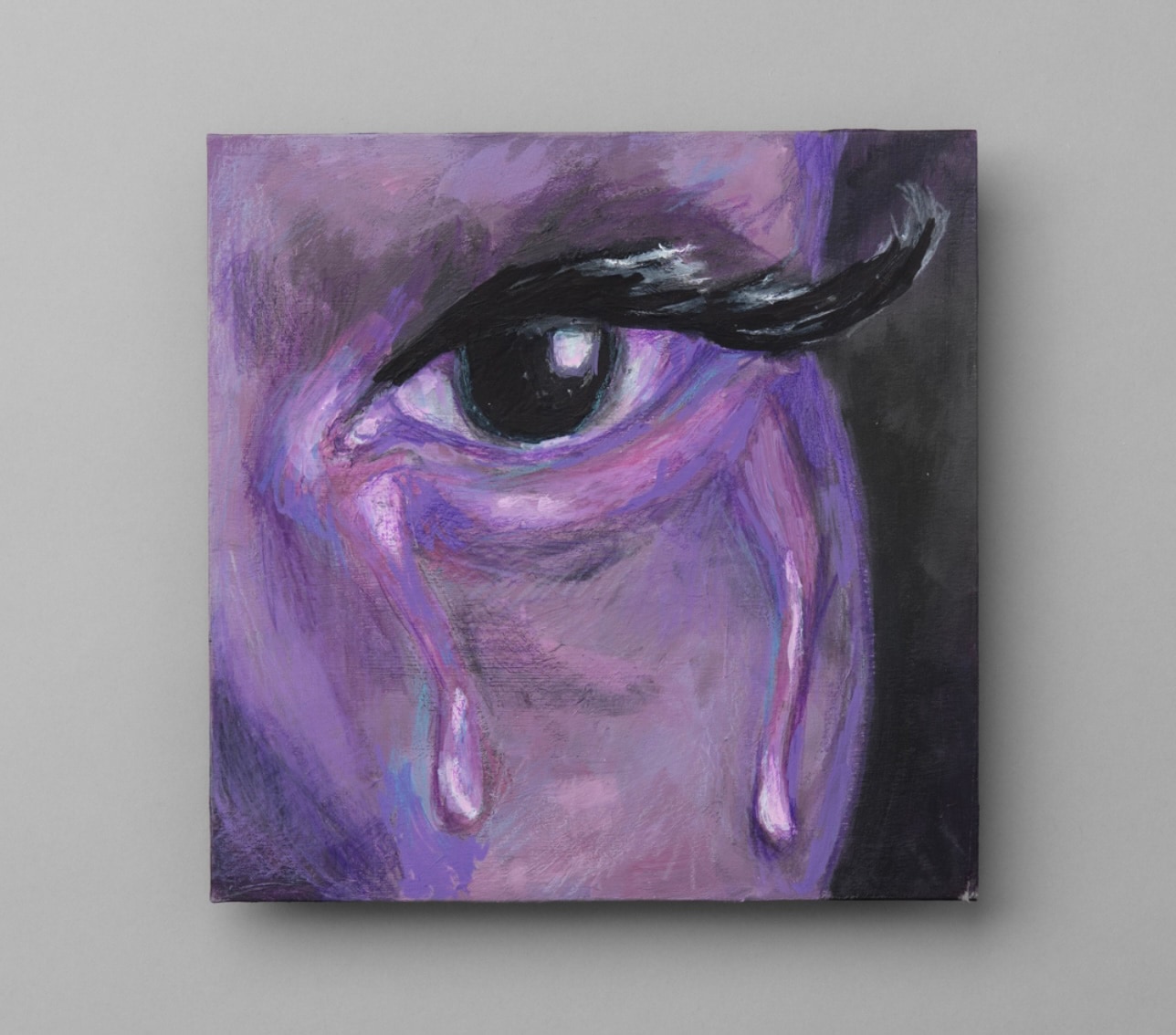
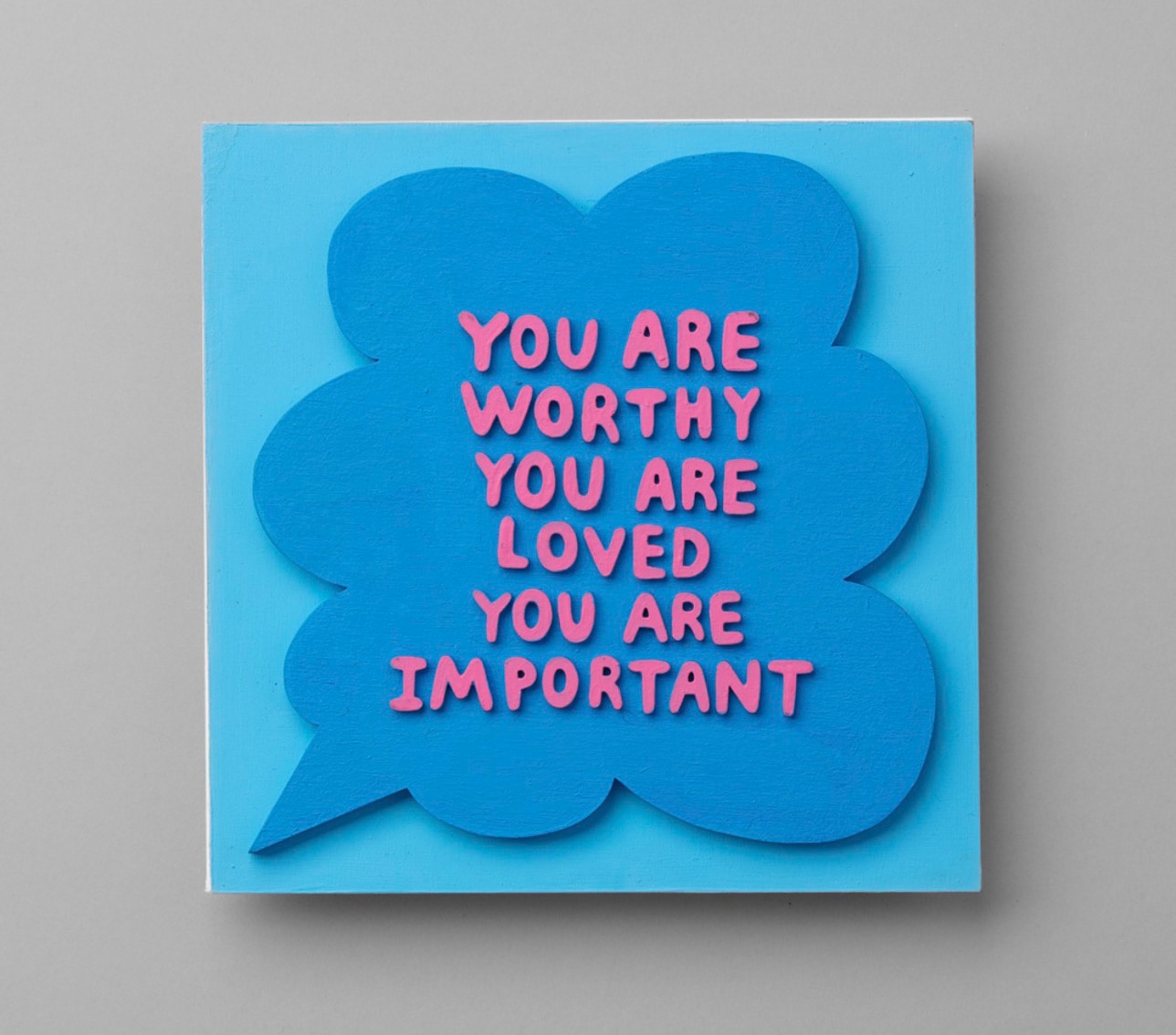
@secret7s Instagram
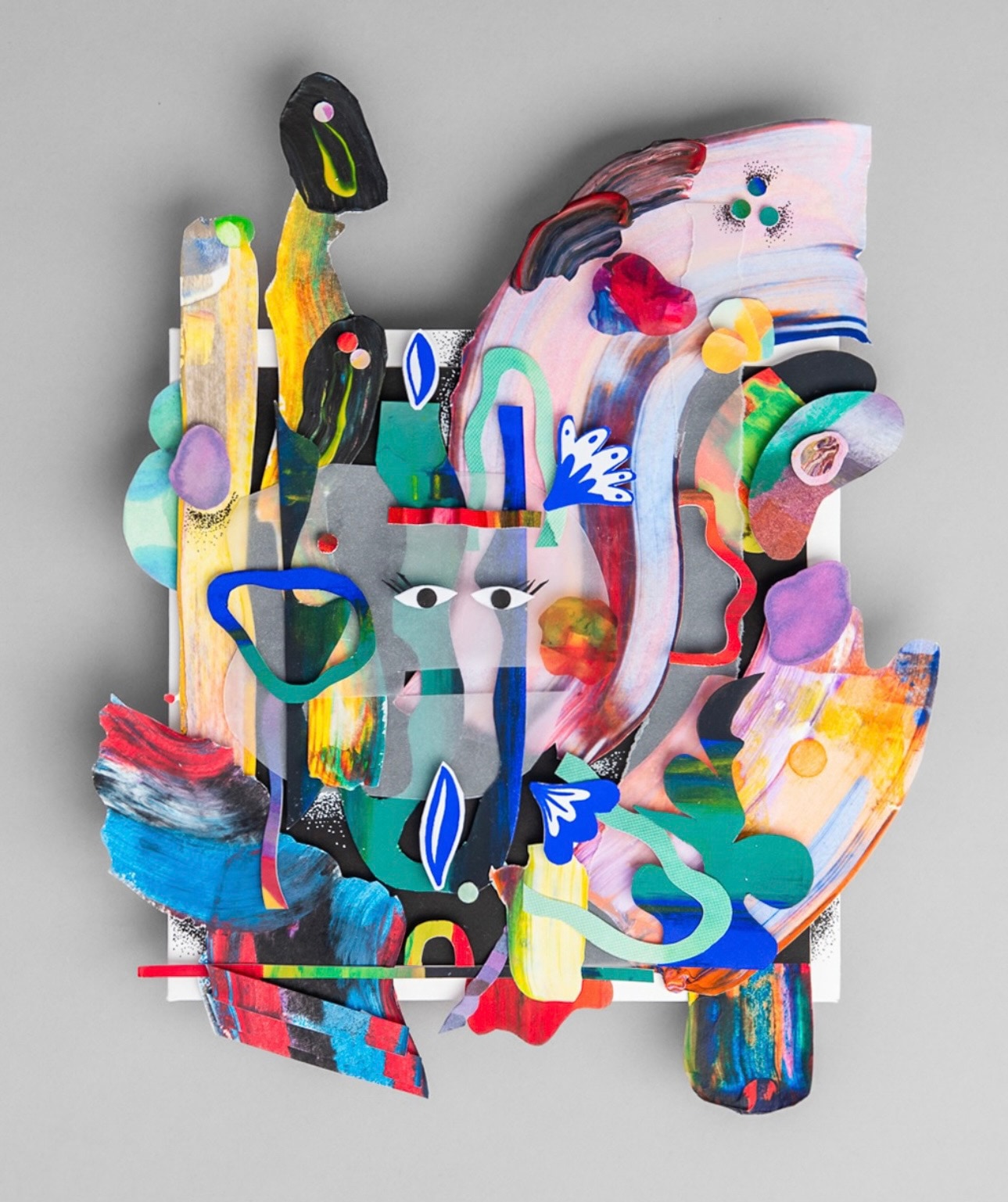
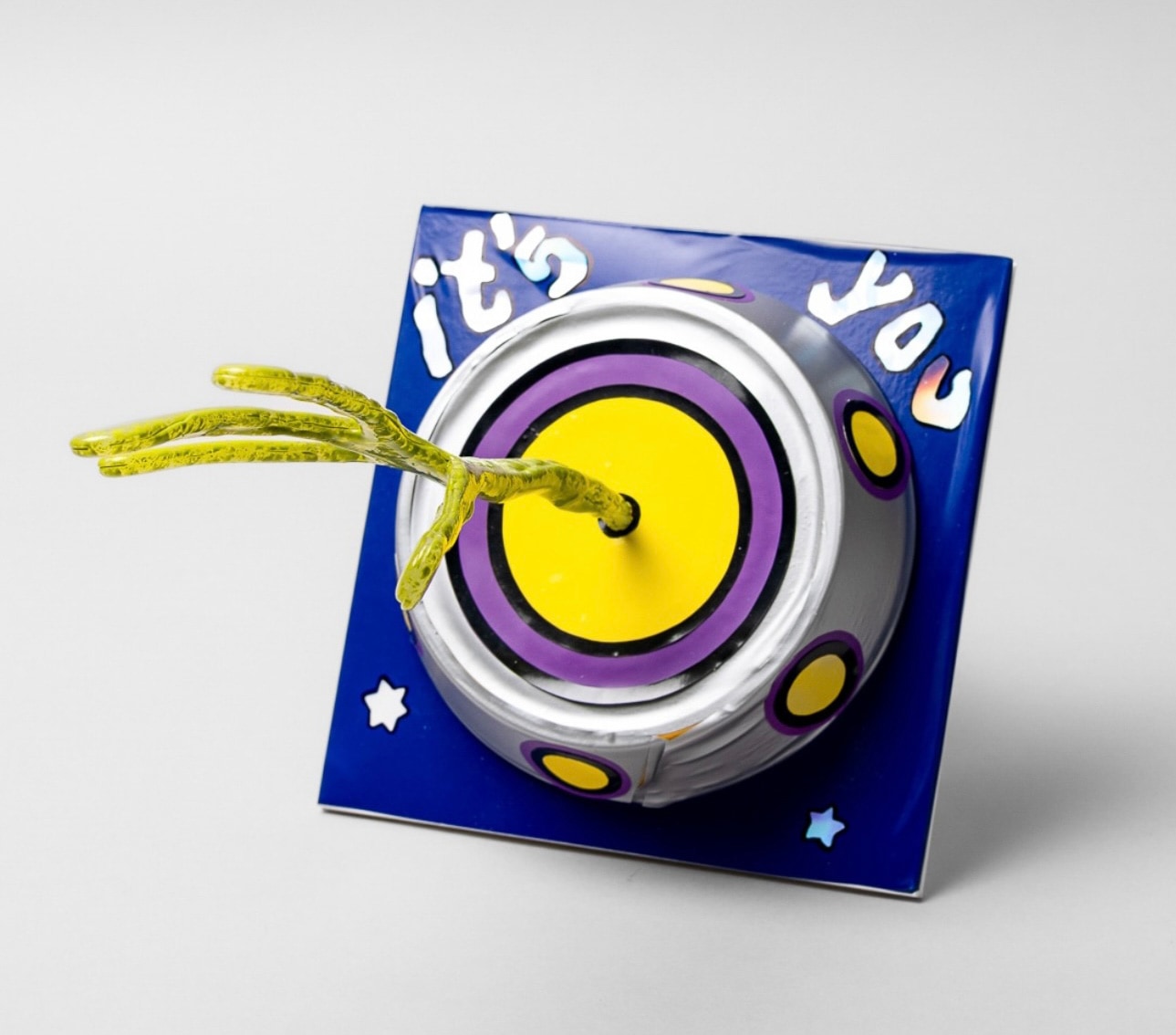
What matters for designers is the looseness of the brief. This isn't commercial album packaging, where the sleeve has to carry a label strategy, artist positioning, retail recognition, and campaign assets. Secret 7" starts from sound, mood, lyrics, memory, and association. One song becomes 100 visual readings, which means a designer can treat the same three minutes of music as typography, object, drawing, texture, joke, grief, fandom, or pure color.
That makes the anonymity more than a gimmick. Buyers don't initially know who made the sleeve or which track sits inside, and Secret 7" says the identities are revealed only after the record is in the buyer's hands. The choice comes down to the visual work itself, meaning a buyer could end up with a sleeve by an emerging designer or an internationally recognized artist.
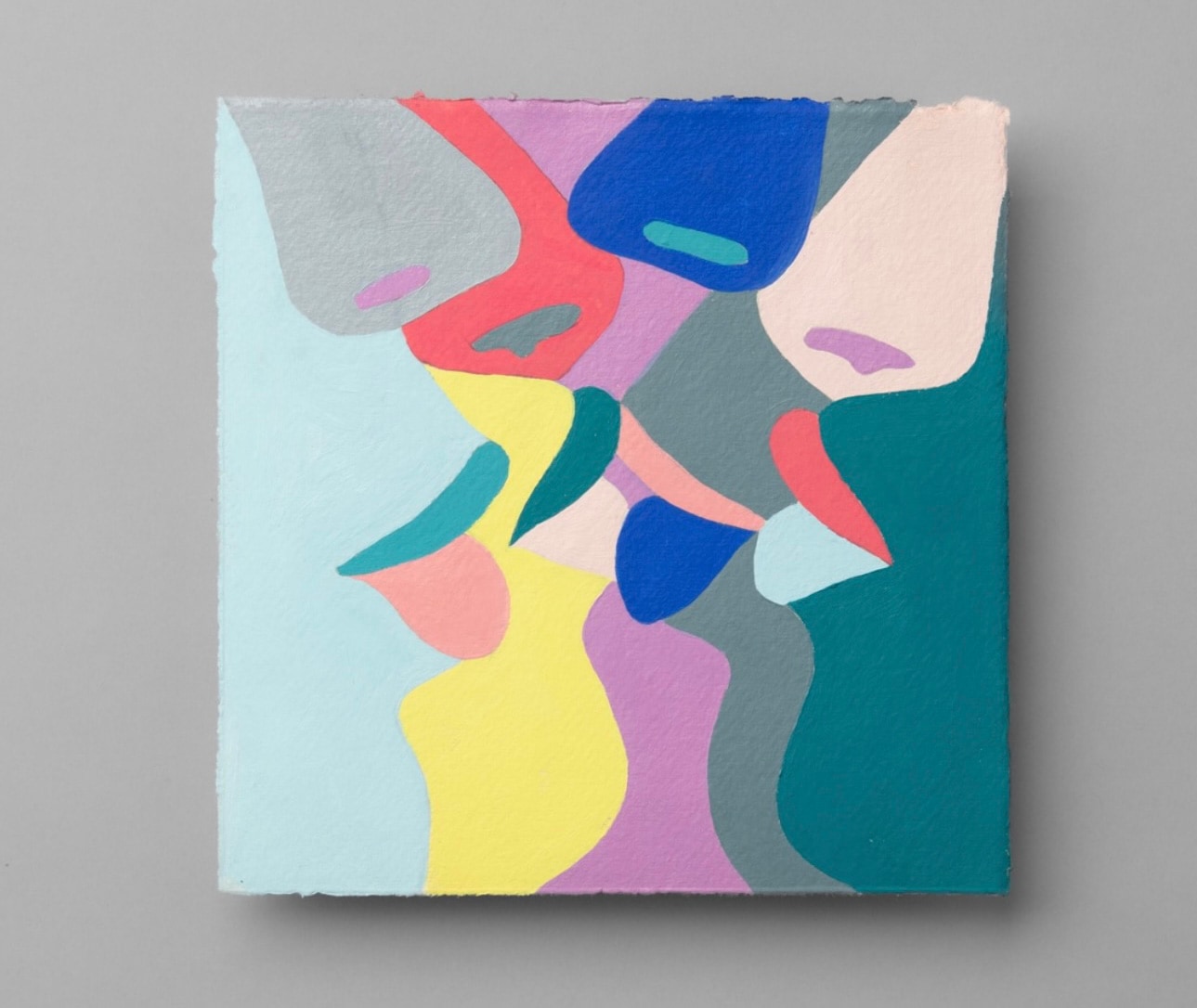
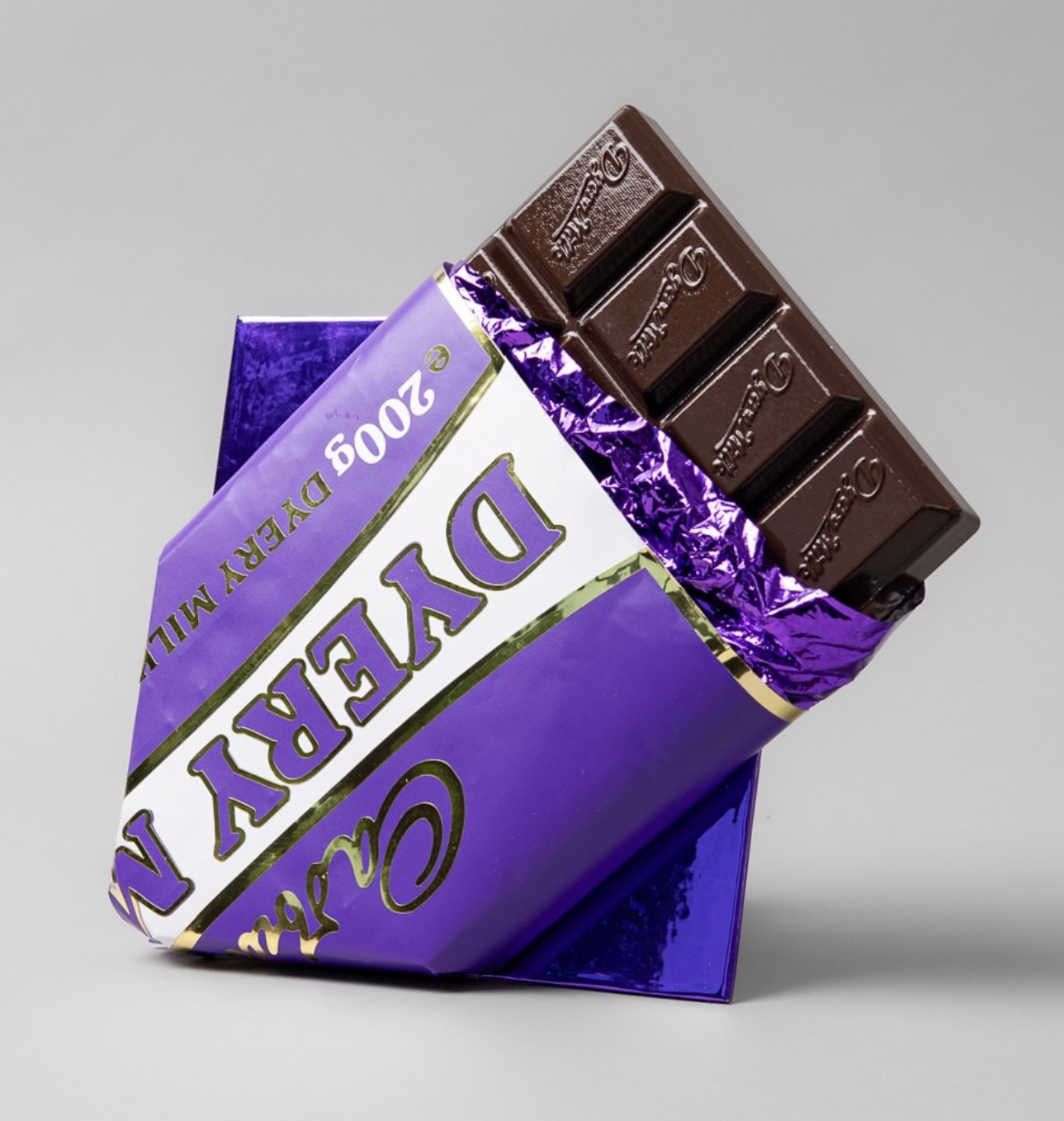
@secret7s Instagram
The sleeve becomes the argument
The record sleeve is already a strange design object because it belongs to a mass medium and a private ritual at once. Vinyl was made to be pressed, stacked, shipped, and repeated. Secret 7" bends that logic by making every copy singular, so the sleeve stops behaving like packaging and starts behaving like a collected work.
That shift is clearest in the materials. It's Nice That notes past Secret 7" sleeves made with concrete, felt, Lego, clay, and stitch work, alongside names such as Ai Weiwei, Yoko Ono, Peter Blake, and Anish Kapoor. For 2026, its reporting points to contributors including Anthony Burrill, Clare Twomey MBE, Thierry Noir, Orlando Weeks, Joy Yamusangie, Murugiah, Justin Frischmann, and Jon Burgerman. The official site verifies the wider premise: previous editions have produced 6,300 one-of-a-kind records, drawn more than 50,000 submissions, and raised over 900,000 pounds across nine editions.
The design lesson is clean: constraint doesn't narrow expression when the constraint is exact enough. A seven-inch square, a hidden track, a hidden author, and a charitable auction give the work a frame. Inside that frame, graphic design brushes against illustration, sculpture, fan culture, art collecting, and music criticism.
For 2026, the exhibition will take place at @180.studios in London from 18 to 30 August, with the Givergy auction of all 700 sleeves closing on 2 September. Until then, the artists behind the covers remain part of the secret, leaving visitors and collectors to respond to the work before discovering the names behind it.


Discussion