


Prompt libraries came first. Ready-made AI workflows followed. Now projects like IP as Logo point to another format designers may start seeing more often: reusable Agent Skills built around specific visual rules.
IP as Logo is not a standalone logo generator or a new image model. The open-source project is built around a SKILL.md file that compatible AI agents can load as reusable instructions. Supported agents include Codex, Coze, Doubao, YouMind, Manus, Gemini Apps, and Replit Agent.
The skill packages a small set of art-direction decisions. It asks the agent to build characters from a few large shapes, use thick rounded silhouettes, remove unnecessary details, and, by default, limit the palette to three main colors: two for the character and one for the background.
If the user has not already chosen a mascot, the process starts before image generation. The agent considers the product context and proposes three directions, each connecting the character to a product feature or brand idea. Only then does it move on to generating variations.
For designers, the interesting part is not necessarily the particular look of these soft, rounded mascots. It is the idea that repeated decisions can move out of the prompt box. Instead of specifying simple shapes, restrained color, no scenery, no logo text, and minimal symbolic clutter every time, those preferences can live in a reusable operating brief.


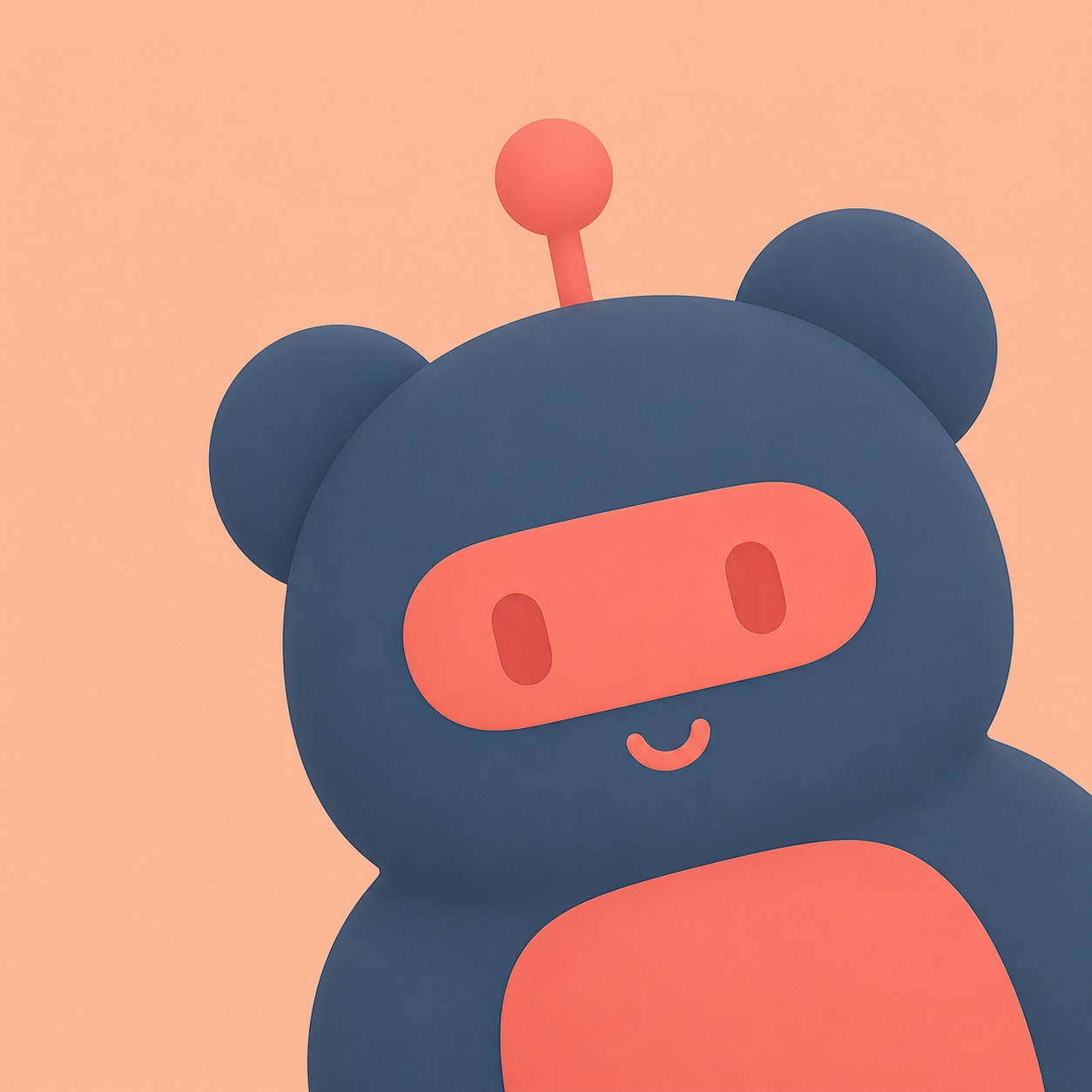
In our tests
We tried the skill with several deliberately different prompts. Even when the products were unrelated, the resulting characters remained visibly part of the same visual family. That consistency is largely the point: changing the product does not automatically turn each mascot into a completely different illustration system.
The effect became clearer with a more complicated subject. An octopus for an automation service, for example, was reduced to a handful of large shapes instead of becoming a detailed creature with eight carefully rendered tentacles. Less anatomy, more mark.
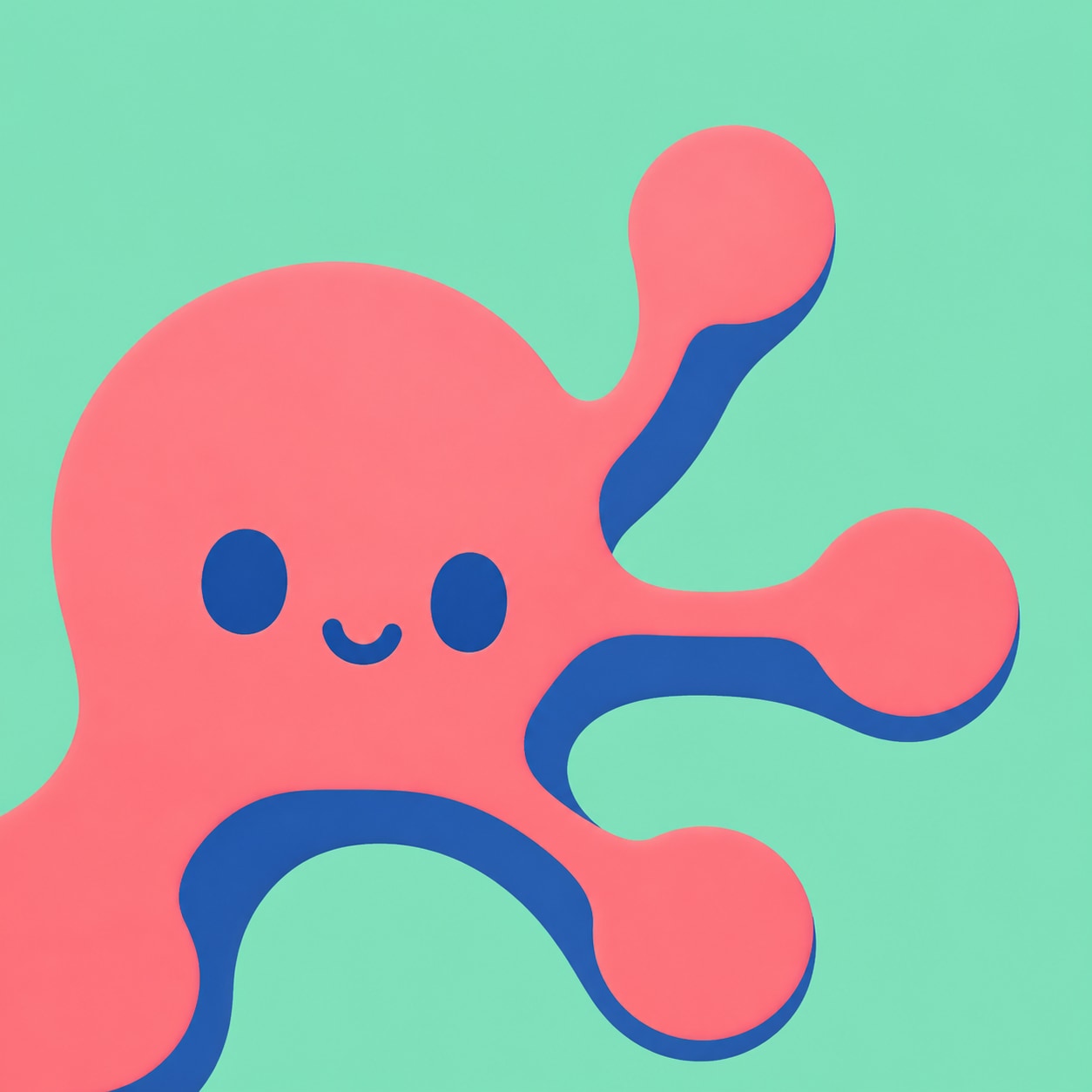
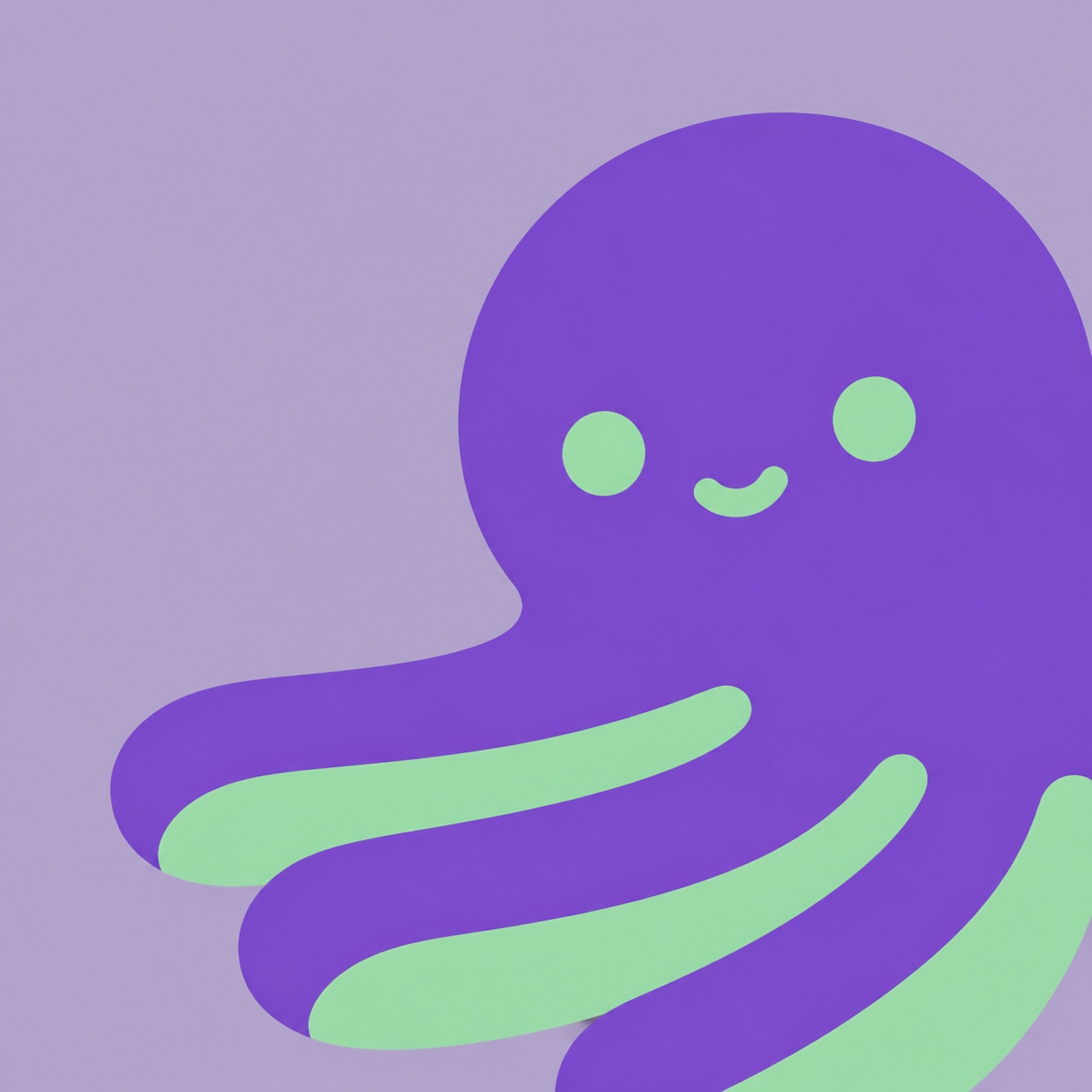
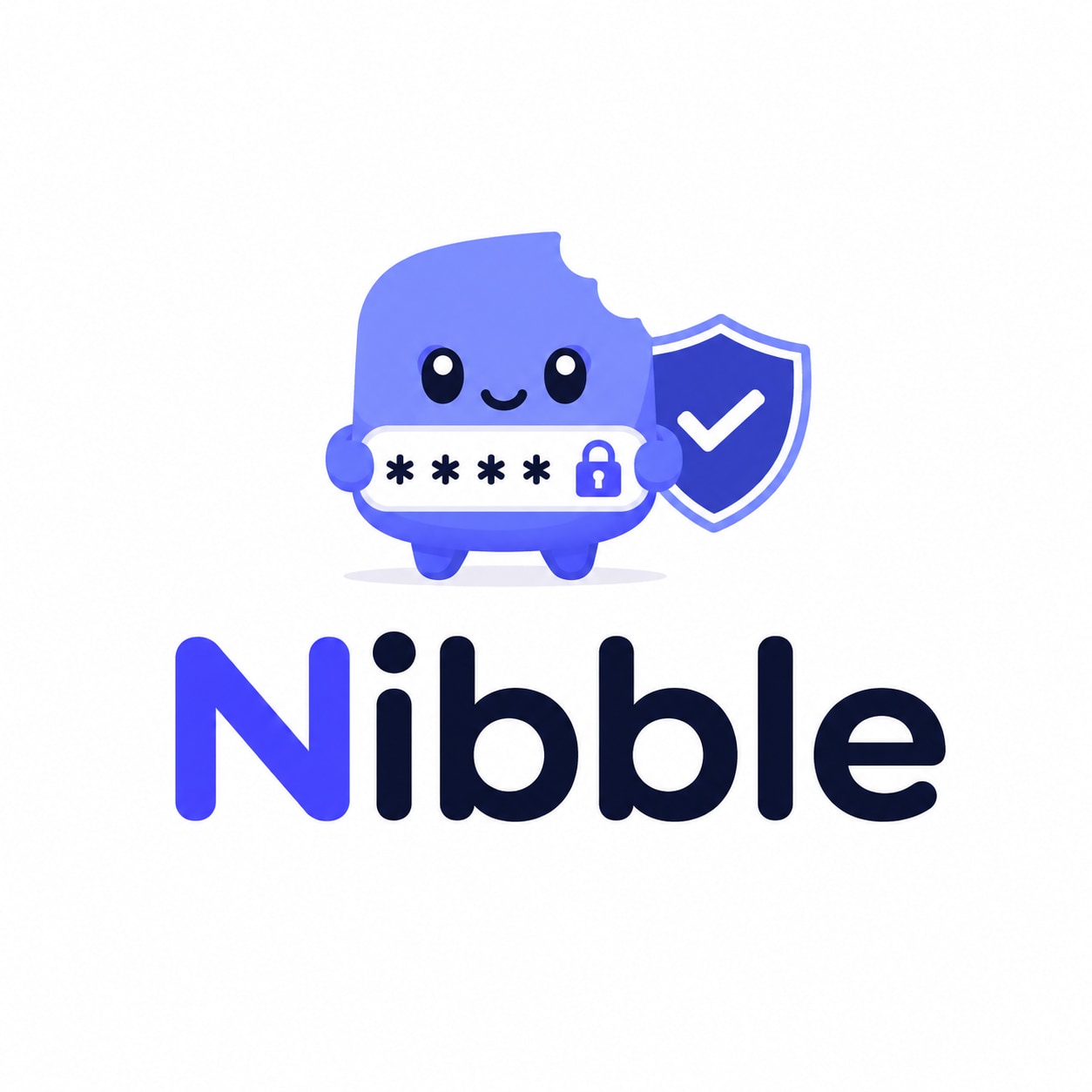
Our password-manager test made the difference particularly easy to see. With IP as Logo, the mascot used a simple shape, a limited palette, and a single security-related cue. With ordinary image generation, the same idea quickly accumulated shields, keyholes, a password field, a checkmark, and a finished wordmark.
Neither approach is automatically better. But the comparison shows what the skill is useful for: reducing the number of visual decisions and keeping the remaining ones within a shared system.
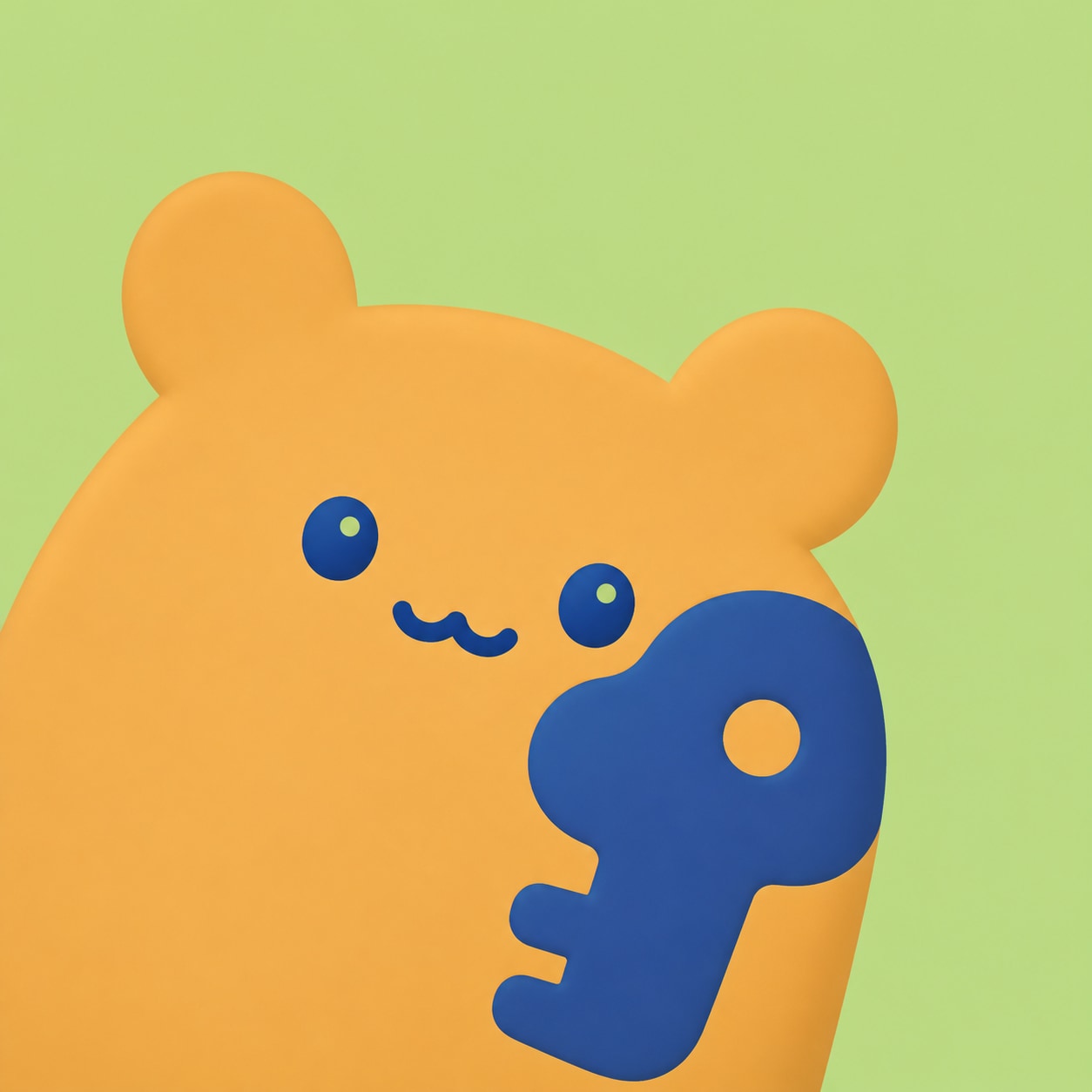
The project does not promise strict compliance. Image models remain stochastic, and IP as Logo does not inspect generated images or automatically repair a result when the palette, composition, or level of detail drifts away from the instructions.
The companion site, ipaslogo.com, also works as a searchable library of ready-made mascots. The repository says the logos can be downloaded for free and used commercially, while the repository itself is released under the MIT license.
For designers, IP as Logo makes most sense as a quick ideation and exploration tool. Its visual language is intentionally narrow, and not every brand needs a rounded character peeking out from a corner. But the broader idea is more interesting: some art-direction decisions can now live not only in references, templates, presets, and design systems, but also in reusable instructions an AI agent carries from one brief to the next.


Discussion