


Furry Puppet Studio has put puppets next to Anderson Cooper and Andy Cohen on CNN, and built a NIGO puppet for a Nike campaign. On screen the things look easy, like the character was always there. Behind each one sits weeks of foam, fabric, and a pile of small decisions you're never supposed to notice.
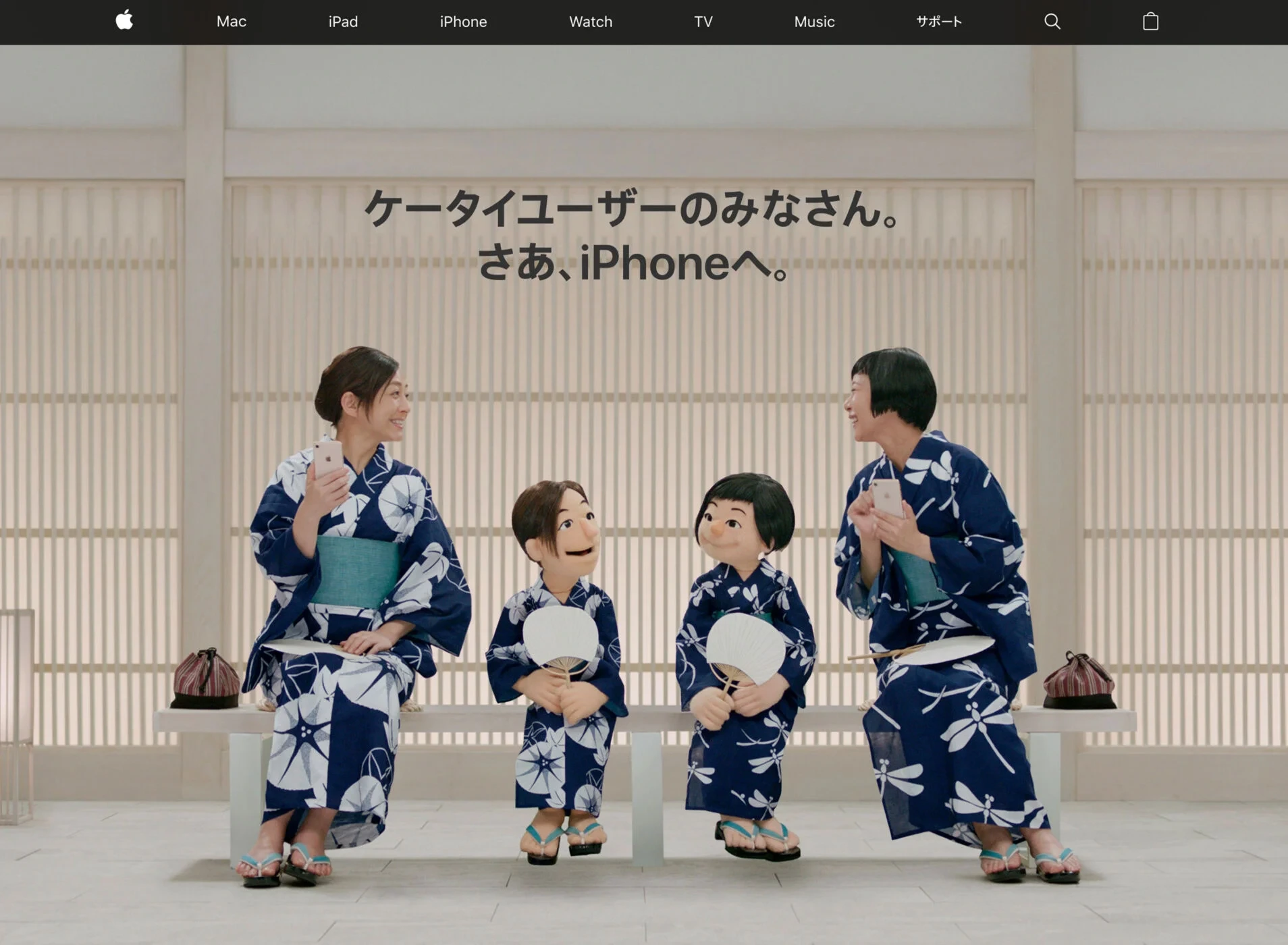
Puppets are an unusual thing to land on Design Blog, where most days the canvas is a screen. But a puppet is character design you can hold, and the hard part behind one, likeness and how a face actually reads, is the same problem I fight with in vectors all week. So I was glad of the excuse to ask the studio's founder, Zack Buchman, how it actually works.
I kept the questions broad and let him talk. Zack, in his own words:
Where does a puppet start when a client comes to you? A conversation, a sketch, someone going "we need something like this"? And how do they know what they're getting before it exists, do you use any software for that, CAD, 3D, illustration, or does it mostly come together once you start building?
Usually it starts with a loose concept. Sometimes the client has a very specific need, and sometimes it's more like, "we need something in this general world." So the first part is just talking and trying to understand what the puppet has to do.
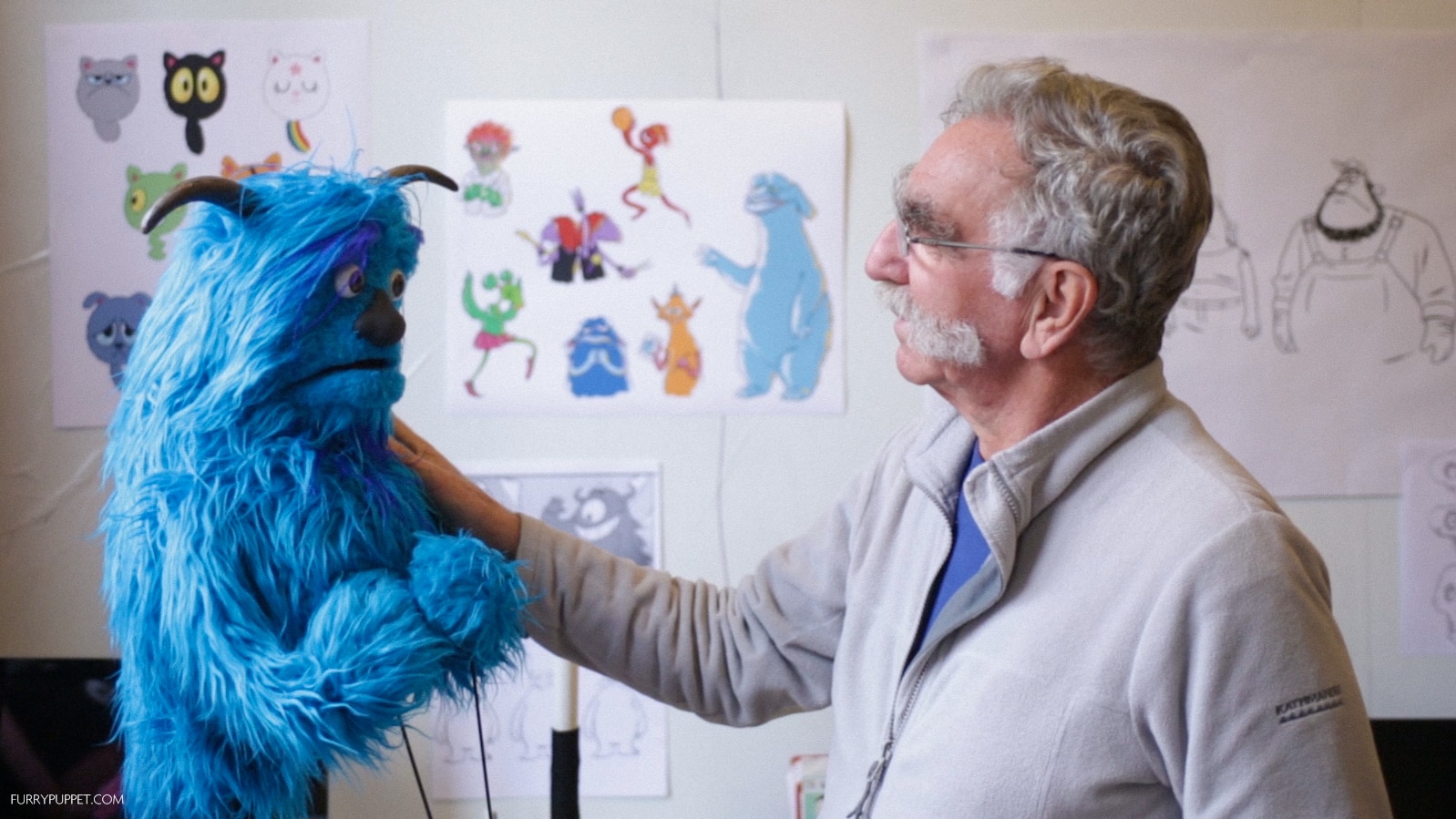
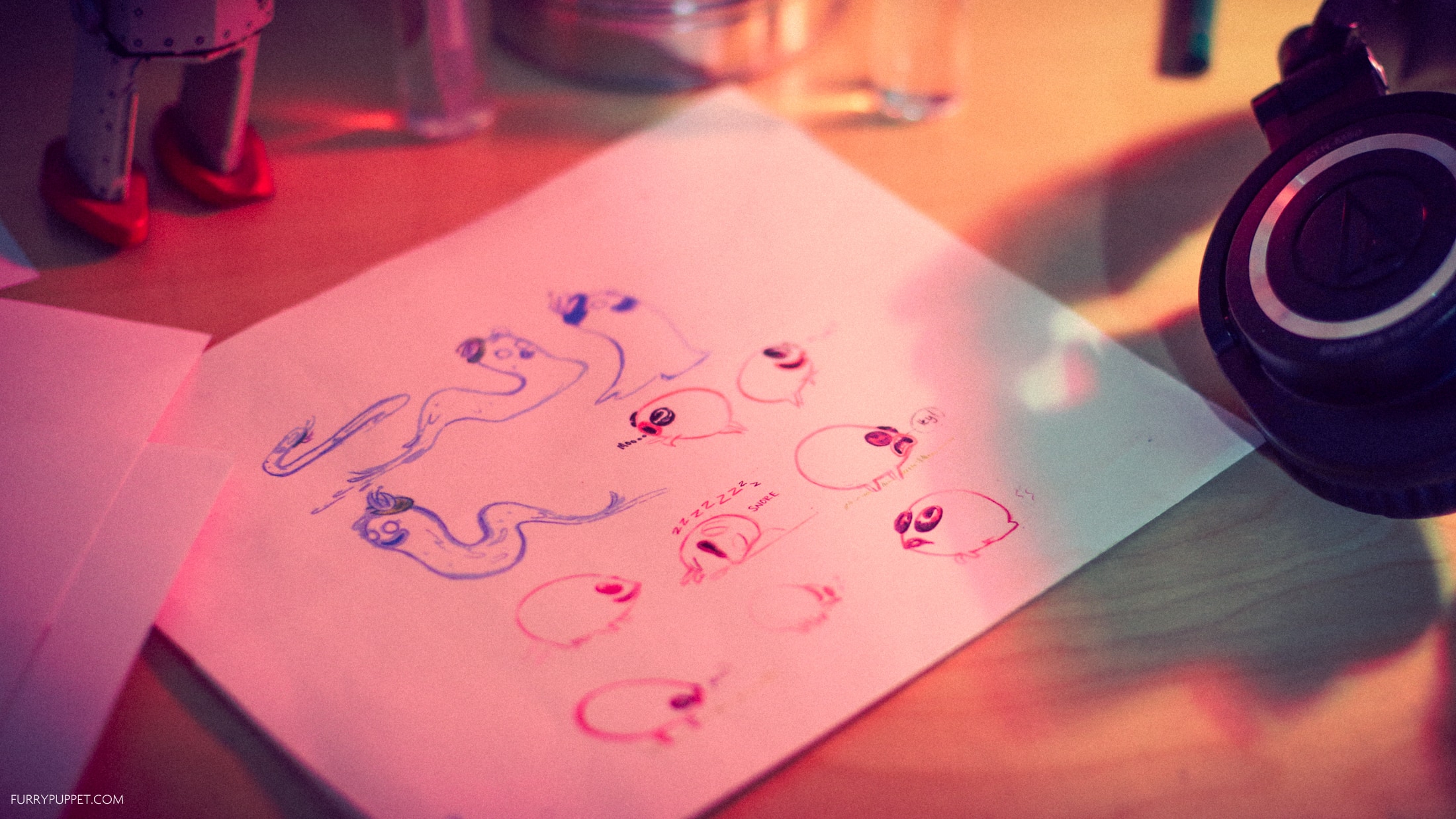
Then we sketch. A lot. I find that when you're drawing freely with a small group, you make clever choices without realizing it. Sometimes the drawing that feels like a throwaway ends up being the one we keep coming back to.
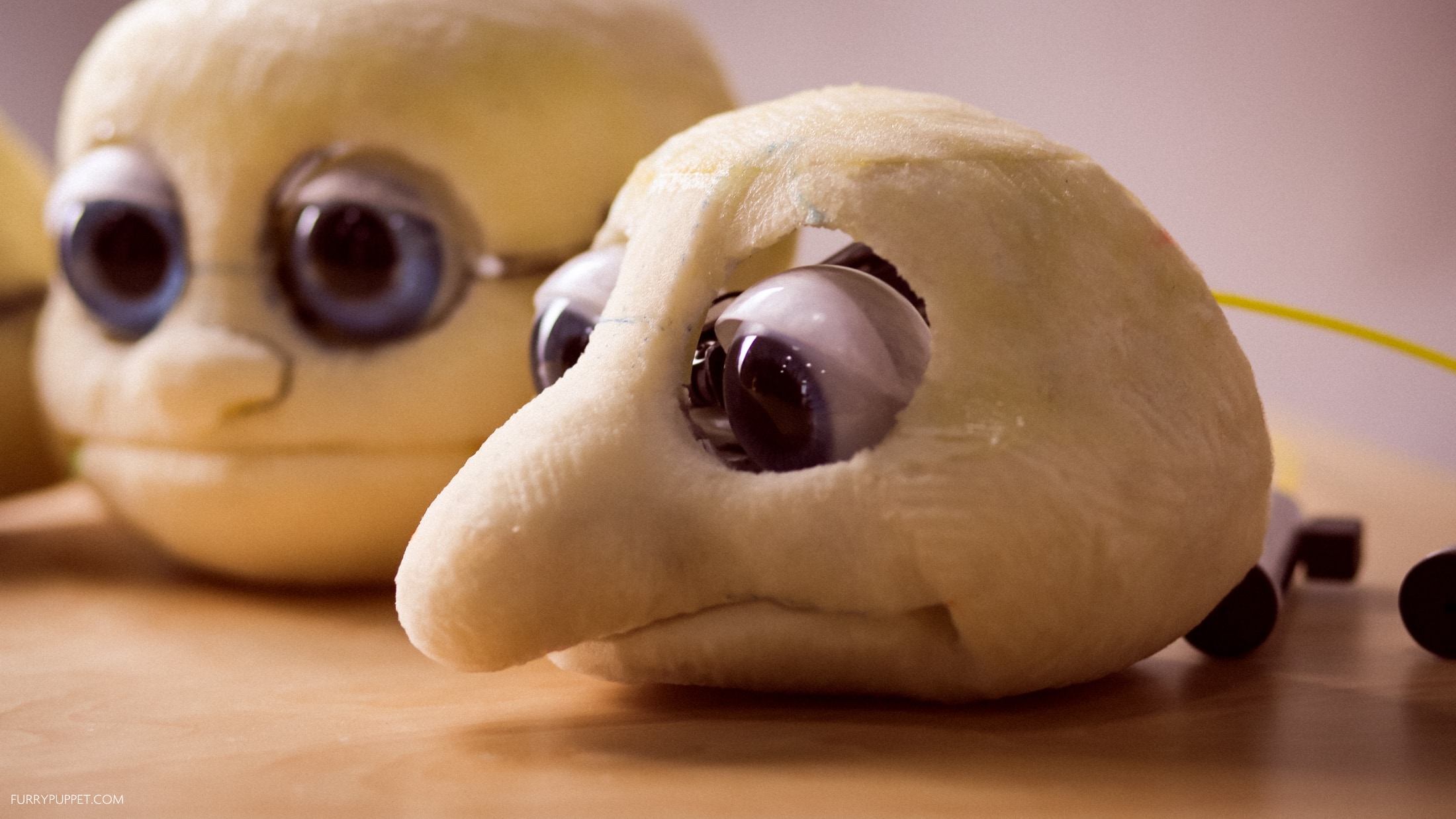
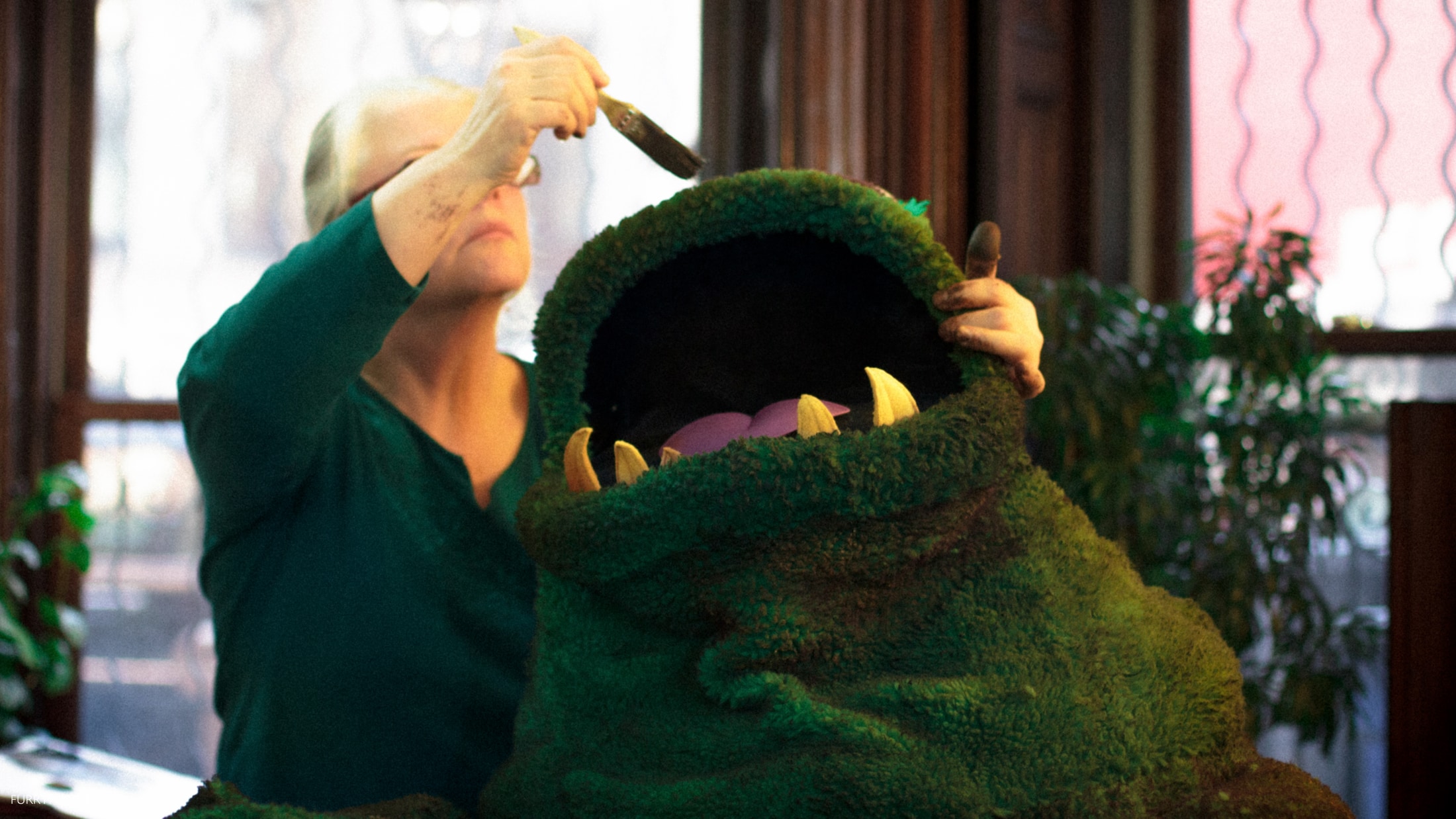
After that we start thinking about materials and structure. A puppet isn't like an illustration or an animated character, because you can't cheat the 3D shape. It has to look right from every angle, and the mouth has to actually work. We use 3D printing and newer tools where they make sense, especially for parts and mechanisms, but the main sculpture still starts by hand in foam. A lot of subtle decisions happen there. You learn things by holding it and turning it around that you can't really learn from a flat drawing.
How many people usually work on one puppet, and how long does it take?
It changes a lot from project to project. Some custom puppets are quick to design and fabricate. Others need mechanical work, costume design, a puppeteer in mind from the beginning, and more research and development. What I can say is that it's collaborative.
Which part takes way more time than anyone watching would ever notice?
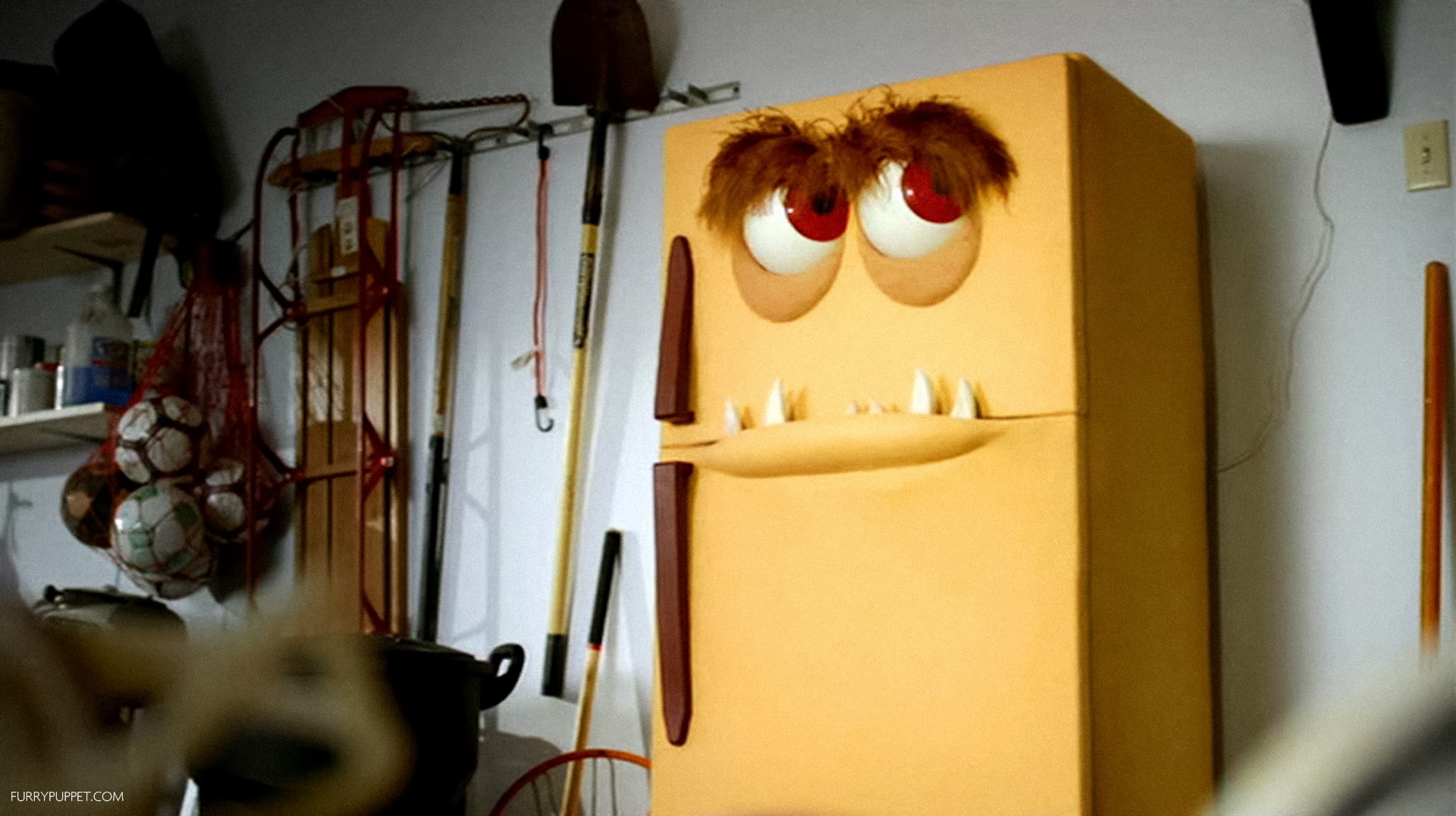
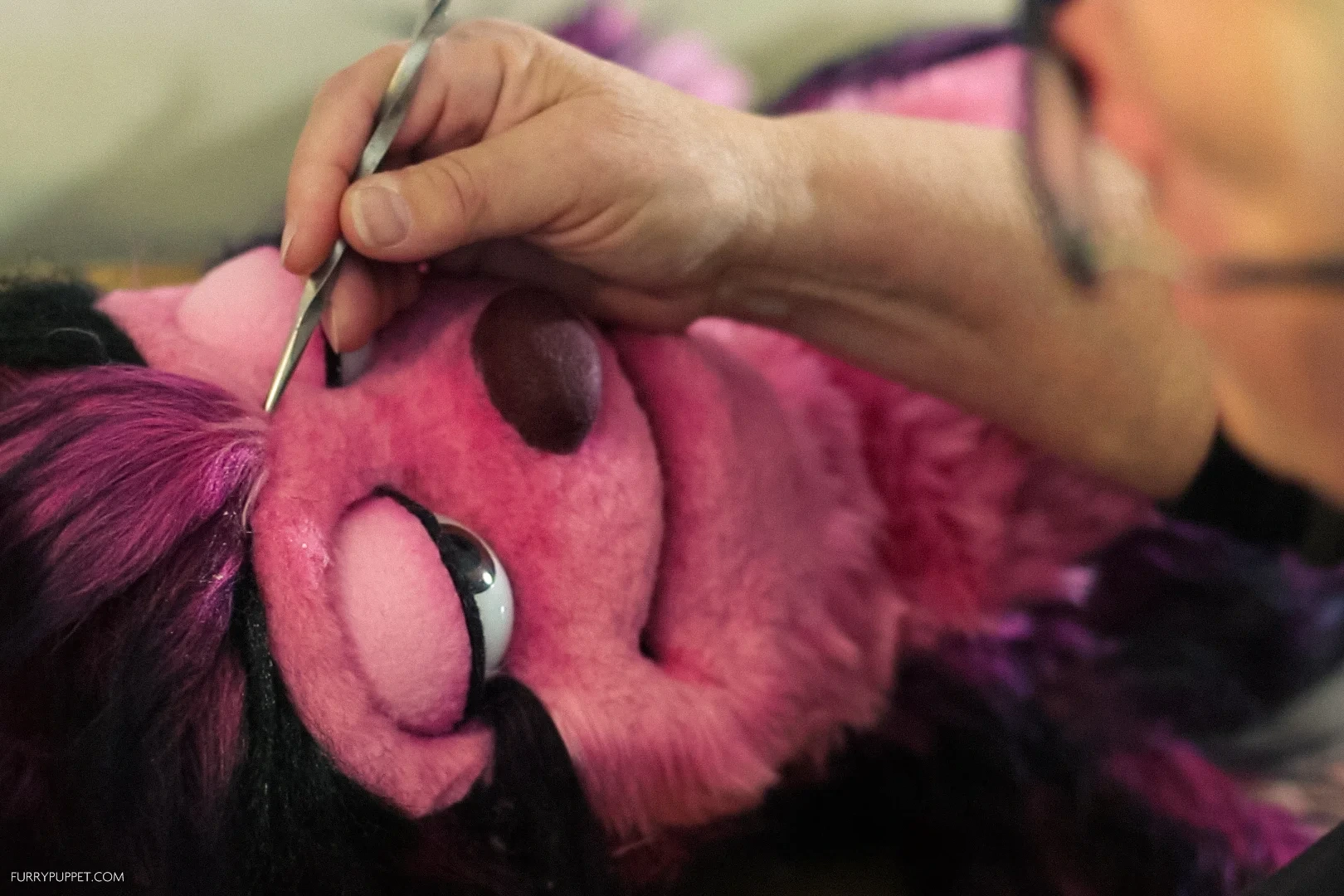
The invisible problem-solving. A puppet can look simple in the end, but getting there usually takes a lot of small decisions that nobody should notice. It's a part of the magic. The eyes are a good example. Small changes in the eyes can go a very long way. You move them a little and the whole character changes.
When you do a likeness of a real person, where's the line between looking like them and crossing into offensive?
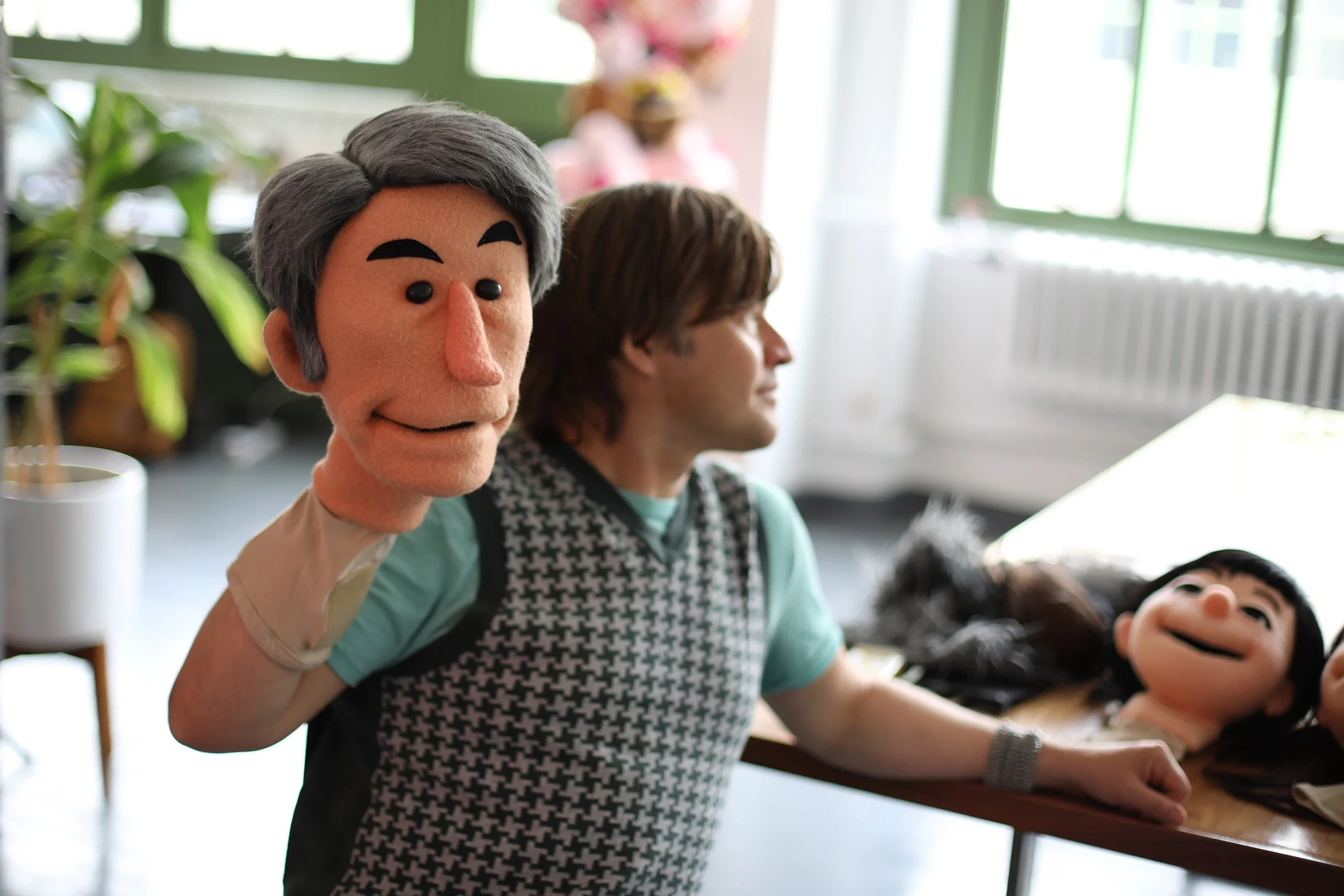
I think you have to remember that it's character design, not a police sketch. If you chase every realistic detail, it can get creepy very fast. And, honestly, the details can be more of a distraction. The key is to find the expression and the energy.
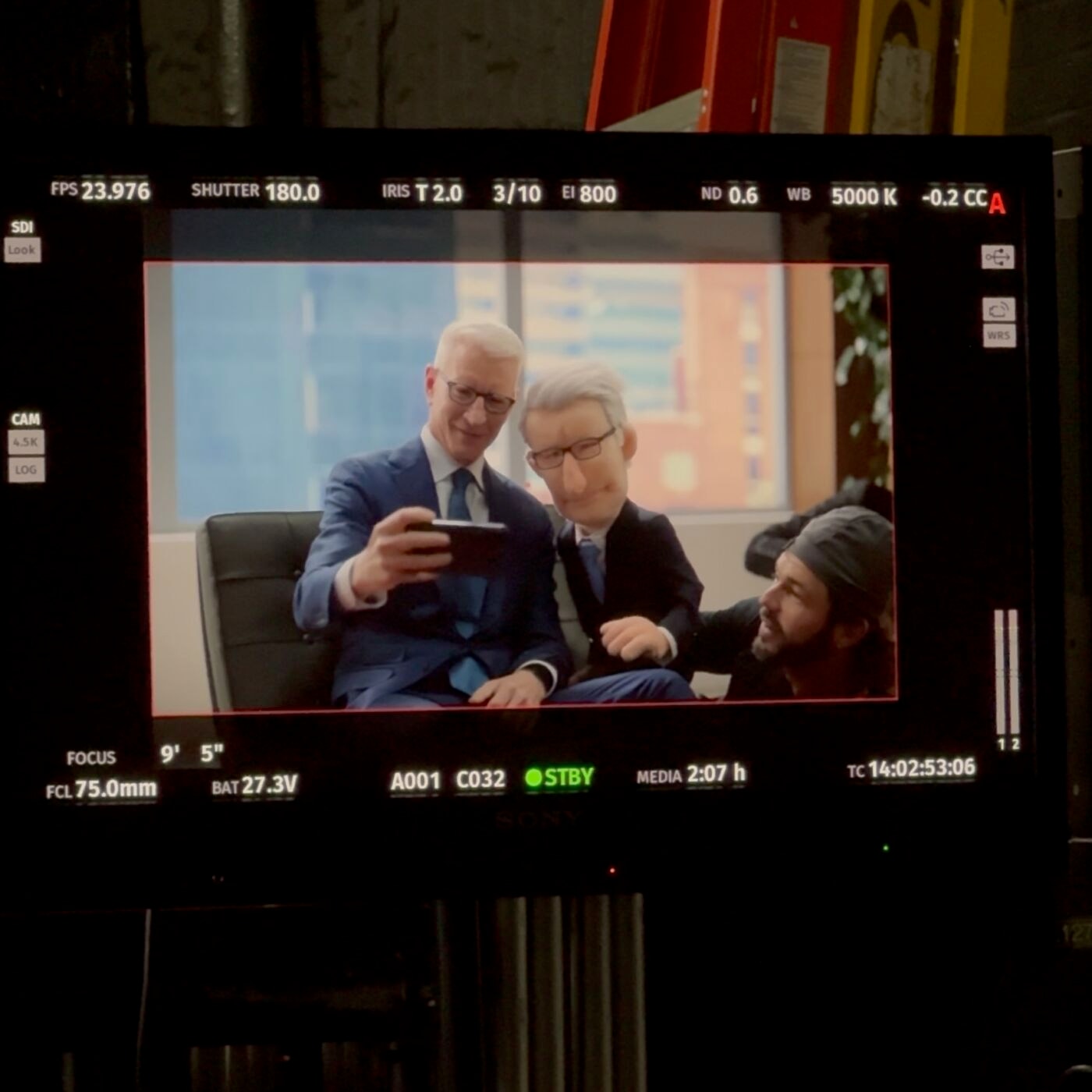
For example, with the Anderson Cooper and Andy Cohen puppets for CNN, or the NIGO puppet for Nike, the goal wasn't to make a wax figure. It was to make something recognizable that still felt like a puppet. That means simplifying. You have to capture the essence of the character with economy in mind.
What happens to a puppet after you hand it off? Is that the end of it for you, or are you usually around for the shoot?
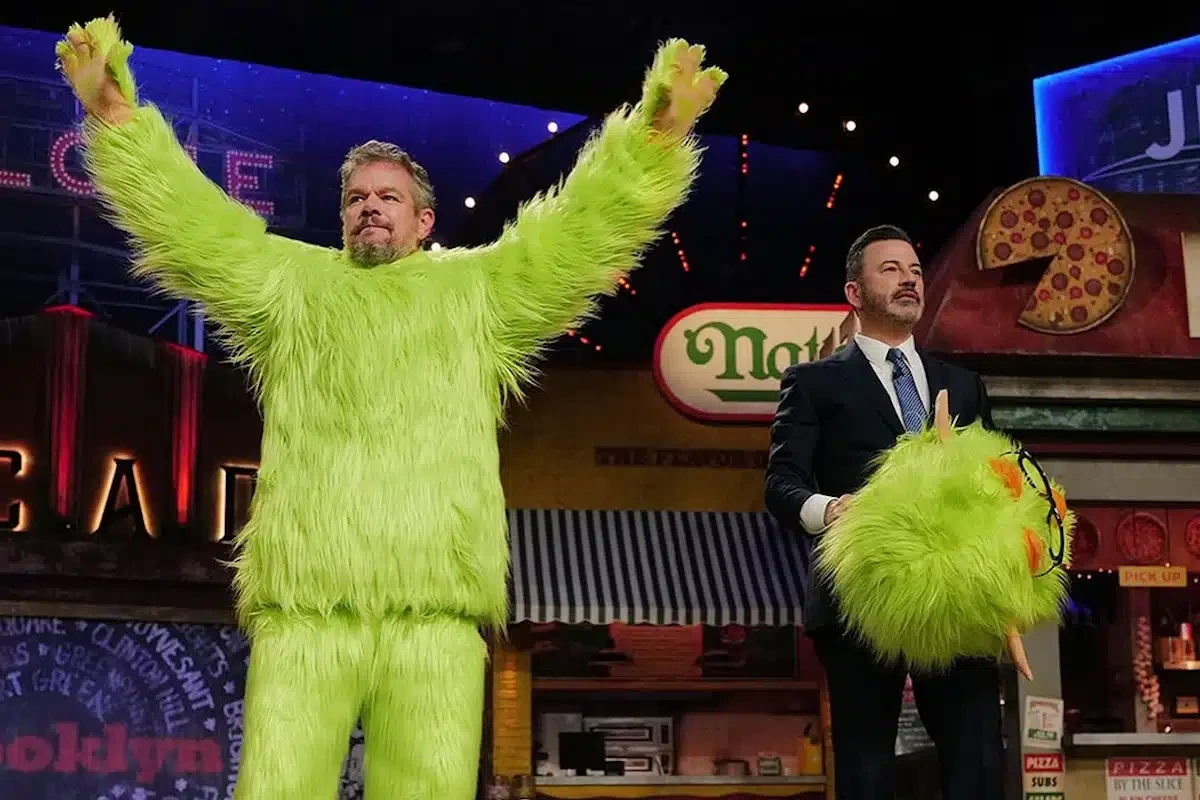
We prefer to stay involved when we can. In my mind the puppeteer is as important as the puppet. I always like to have a puppeteer in mind or to be involved with the casting when I'm designing a custom puppet, because their character and the character of the puppet are connected in a way you can't separate. So yes, ideally we're around before and during the shoot. We help with the character, the movement, and the practical stuff that comes up once the puppet is actually being performed. That's also the best part. You can spend weeks tinkering with foam, fabric, and mechanisms, and then suddenly the performer picks it up and it's alive.
That's Furry Puppet Studio. It's a good reminder that design isn't one job. Some of it lives in a Figma file and some of it in a slab of foam, carved by hand until a face turns into a character. The field is wide enough to hold both, and that range is the fun of working in it.


Discussion