


Procrastination means putting off important work until the last moment, and for illustrators it is also a close cousin of perfectionism. We often delay exactly what we cannot do perfectly right now with maximum impact.
Remember, procrastination is not laziness, but the brain’s defence when something feels overwhelming or risky. So it helps to spot the symptoms and causes, work more effectively, avoid burying your professional reputation, and cut stress.
Symptom 1. My hands are all thumbs, nothing works
Our hands really are clumsy, that is just anatomy. But it does not stop them making good things. Sometimes you need to warm up, find a working rhythm, make something not quite pretty first so it becomes the base for the next step toward polish.
What helps?
Remind your hands how to work. Connect random dots with short segments, draw parallel lines, circles, or anything else that does not trigger your urge for perfection. Think of it as a workout that gets your hands in shape. After that they will tackle the responsible work with more confidence and ease.
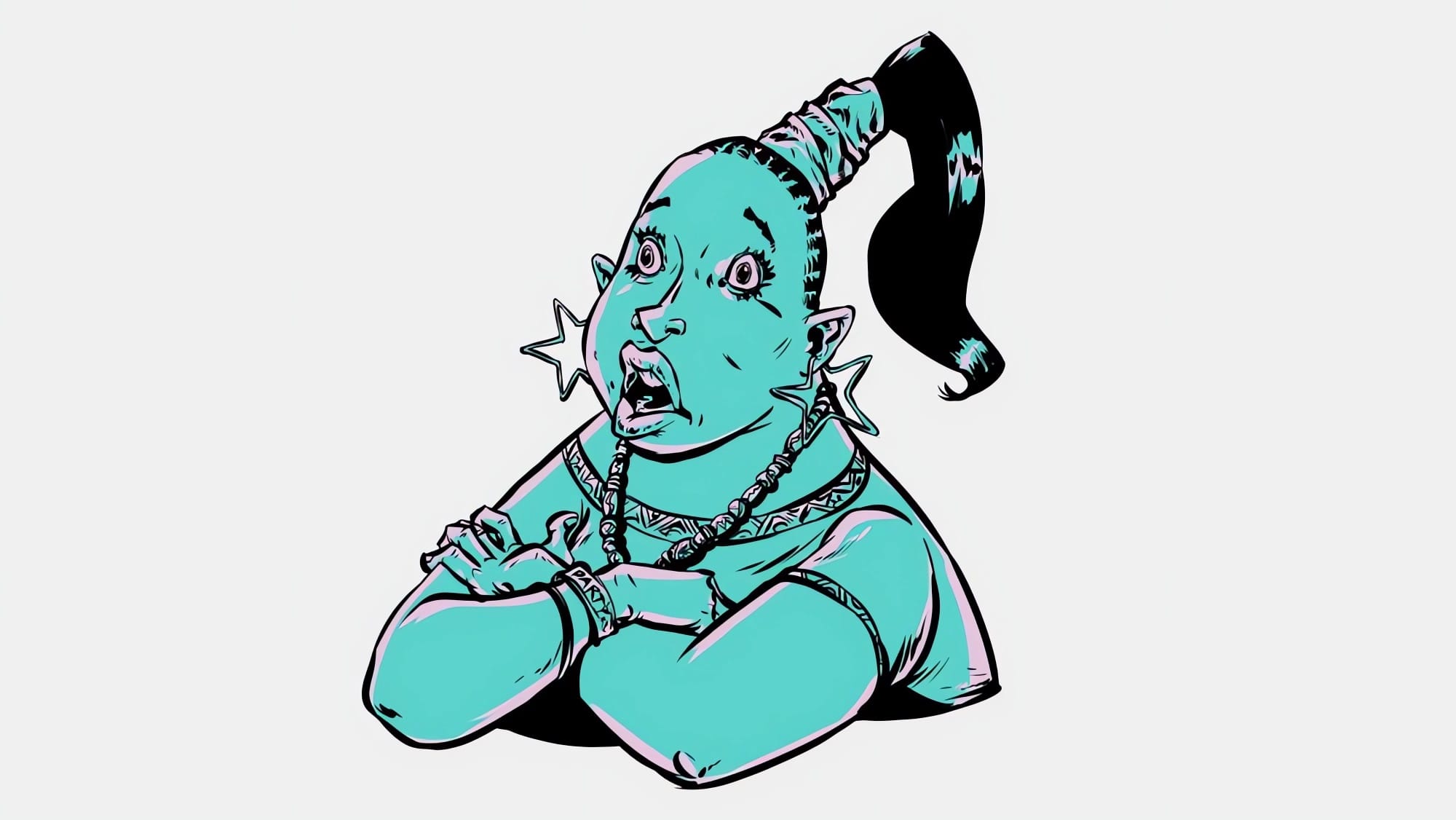
Here and below, illustrations by Ilya Mitroshin.
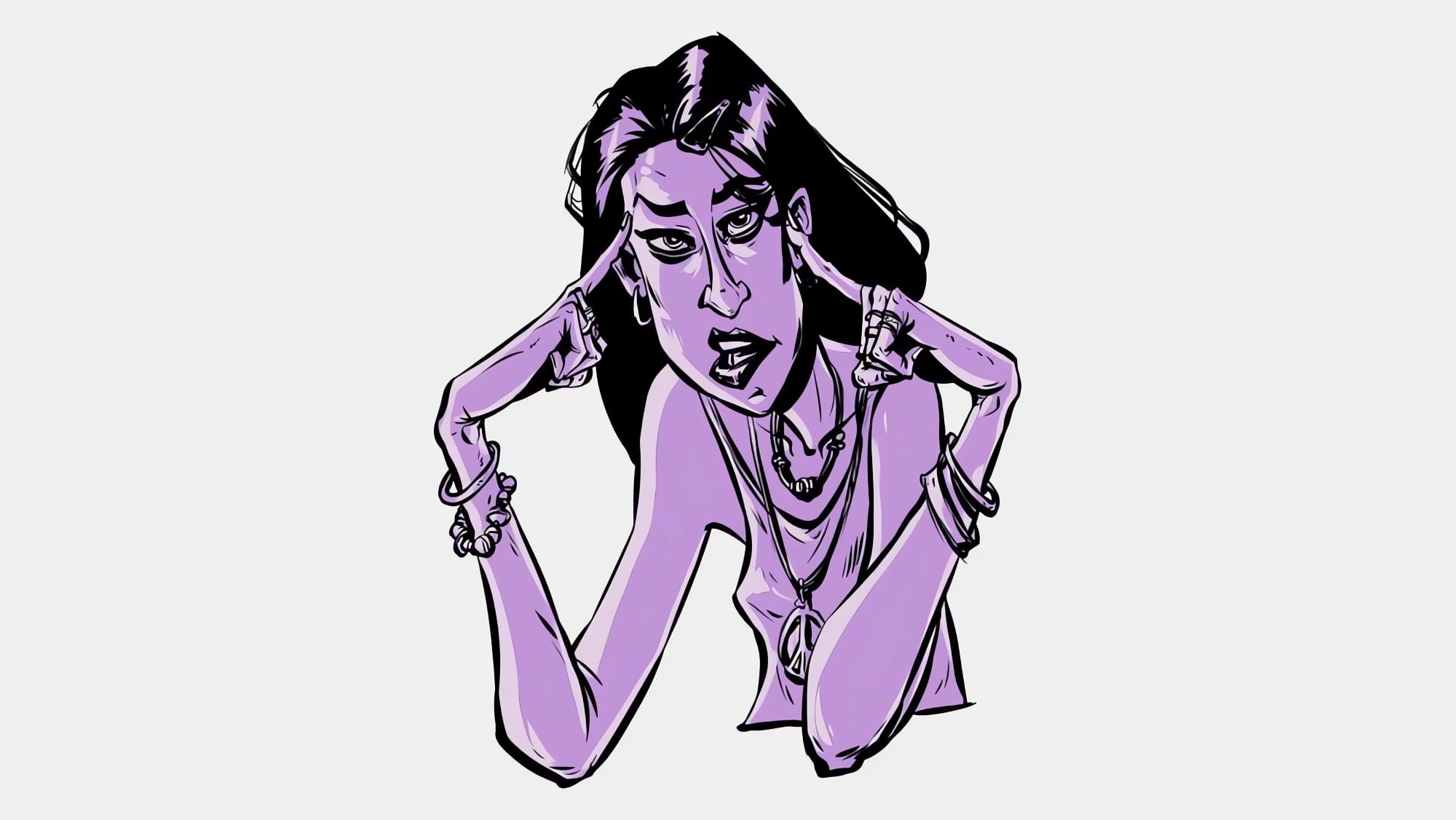
Symptom 2. It is not turning out the way I wanted
That is your mind playing tricks. Many of us hold an idealised image of the result, but it is often abstract. When we draw, we have to make dozens of small choices that are not clearly defined in our heads. Early on it is hard to tell whether we will reach the thing we are aiming for.
What helps?
The trap here is believing it all has to be perfect right away. Maybe, over time, when you build your own algorithms and a stash of templates for different tasks, it will be. For now, allow yourself to do something poorly or plainly, fixing errors and sharpening the idea with each pass. Remember, under a beautiful final image there is a slightly less beautiful version, or even a wildly wonky sketch.
Symptom 3. Others are doing it, a hundred times better
We are flooded with billions of images that look like the gods drew them, flawless, confident, and parade-ready. Their process videos last 15 minutes, start to finish.
What helps?
It is incurable. There is a chance, though, if you somehow legally get into those creators’ homes and study their bins stuffed with earlier tries and mistakes. As therapy, follow authors who draw in real time and rework their pieces dozens of times.
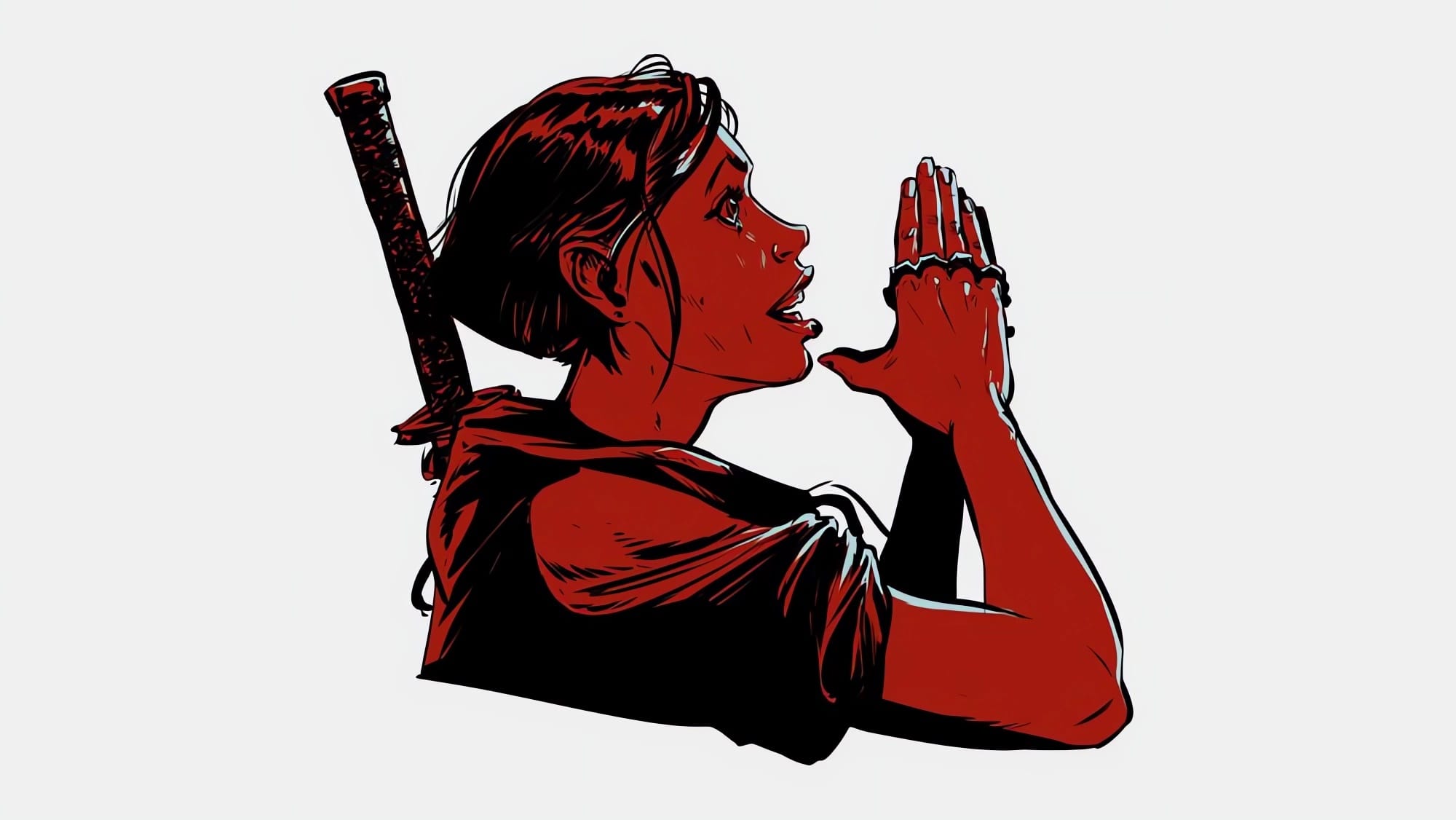
Symptom 4. No light at the end of the tunnel
This heavy wall shows up in complex, multi-part projects, and sometimes even in a simple image. You keep drawing and drawing, but the whole thing, especially compared to the ideal in your head, does not come together.
What helps?
It depends on your process. Building a house or making a film starts with setting up the site, digging the pit, pouring the foundation, and the spectacle comes late. Illustration is the same. You need patience and faith in your working algorithm, the one you have tested on smaller formats.
You can also skip ahead a touch. Push one fragment closer to its final state, rough out lighting, shadows, and effects. That preview will show where the project is heading.
Symptom 5. Nothing works
Sometimes illustration is pure routine and hand-hours you just have to grind through. We solve dozens, even hundreds of tasks, even in a simple image. You cannot have every answer at once, which is when you may decide nothing is working.
What helps?
Switch. I often start with the fragment that feels most important to me. Sometimes I am not in the mood, or I do not have the right solution, or it just will not click. Then I look for something else to switch to, so I do not drop the work or waste time that matters for the process.
As a switch, draw something minor but clearer, something routine and mechanical, or hunt references, make templates, rename files and layers. It distracts and recharges you for the harder, more interesting parts. Those in-between tasks also make the next stages much easier.
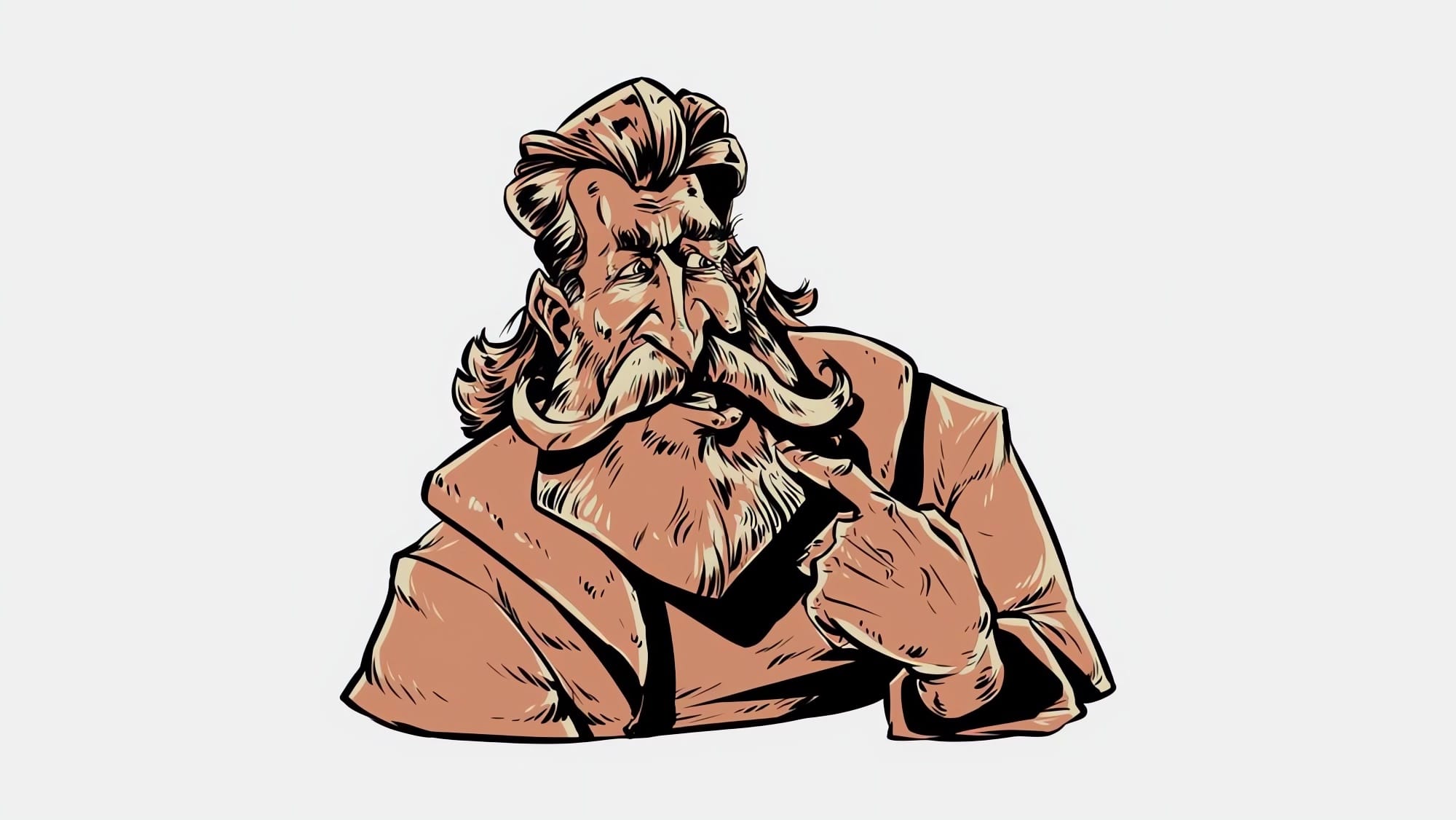
Symptom 6. No ready-made solutions
Illustration is not a hard science. There is rarely one correct answer. You can find dozens or hundreds of ways to achieve the same feeling.
What helps?
Our brains are great at background work. Leave yours alone and do something else so you do not get in its way. A shower, washing dishes, giving the neighbour’s dog a long pet, a walk in fresh air or not-so-fresh air, all of it gives your brain time and room to work on your task while you are not yanking it around for instant results. The key is to frame the problem, feed it a little fuel in the form of references, and then leave it be for a while.
Symptom 7. I will do it tomorrow
Often this is a combo of the above, multiplied by one thing. Most of us really do work more effectively as the deadline nears. When the due date looms, we work on adrenaline, make decisions faster, and optimise the whole process better.
At the start, with more time, we experiment more. If you sprint from day one, your gut knows you will not have the energy for the whole project. At the end you know the adrenaline burst will not last and will be over soon.
What helps?
Thought-through processes again. If you are effective as deadlines approach, make several of them instead of one final critical one. Build your schedule. Map out intermediate stages and deadlines by days and hours, and if you are lucky, by months.
Plan in advance where and what you can switch to if you get stuck. Also add a small buffer for the project timeline for unexpected joys, like a friend’s wedding, a power cut, or a concert you cannot miss, plus the recovery time you will need.
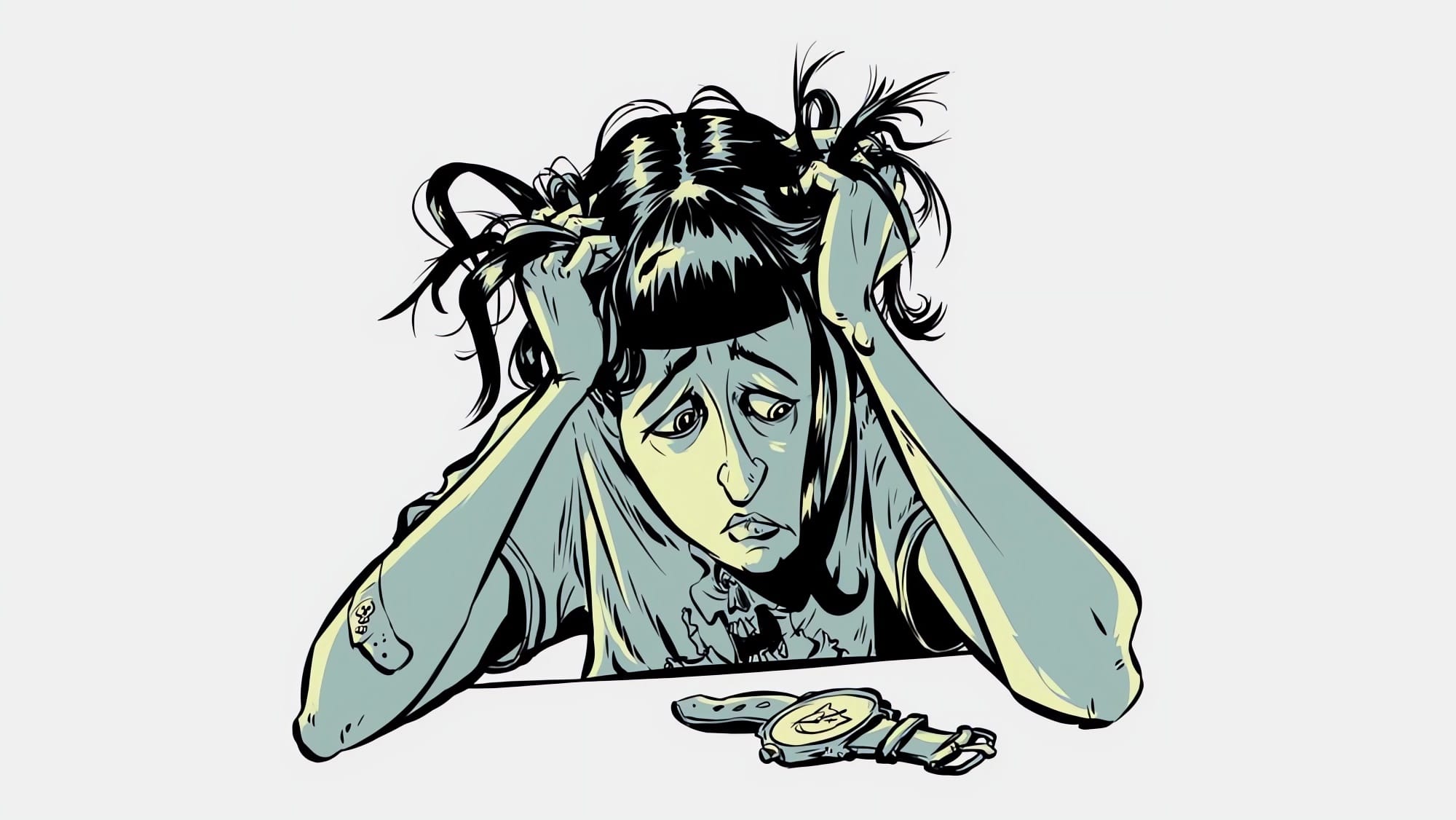
Symptom 8. Unfinished gestalts
This one is tied again to long timelines, especially in big projects. If you are fixated on the final result, every step inside the project feels like one imperfect brick, not that important and not worth praise.
What helps?
This is a fast track to burnout. After a couple of days devaluing your own work you will have to price therapy into your fees. Instead, set interim bars, gestalts, and goals, and when you hit them, praise yourself.
For example: I gathered references, made a sketch, and a clean outline of a single little doodad or a leaf. Who says that does not deserve timely praise. If you cannot close a drawing gestalt, close another one. Finish a level in a familiar game or listen to a podcast.
Symptom 9. I am too good for this world
Alongside self-doubt there is this twist. It has many facets. That is not what my rose bloomed for, they do not pay me enough to bust a gut, no one will appreciate this anyway. So why break myself over an illustration when I can do it simpler or just play a game.
What helps?
Sorry, goal-setting. In a single commission it is hard to judge price and difficulty just right, and our expectations of the client may not match reality. Zoom out. Doing one job, we are really working on our personal brand, our portfolio, and a beacon that can bring ships full of clients and briefs to our shore later on, with fair rewards aboard. Picture every commission as a door to the future and this symptom fades.
Symptom 10. Everything went off plan
Rare, but it happens. You come up with and sell a great idea, you plan every step. But that all happens at the start, when you do not see the whole picture, and the idea has not been tested. If you hit a dead end mid-process, it can turn into unintentional project sabotage.
What helps?
No matter how hard it is, you need to admit the mistake in time and explain it to the client, confidently and with reasons. I have had cases where an idea that seemed bright to everyone at first lost originality in the drawing, or turned out to be a dead end. Pushing a dead idea would have been slow torture for everyone involved. I tried to catch those moments and propose new ideas where I saw more potential. That kept me working without pain.
P.S. If the case feels hopeless, bow out of the project altogether in time.
Symptom 11. The bar is too high
Only King Midas could turn everything he touched into gold, and even that cursed him. Lower the demands on yourself. Different substances can come out of our hands, not always valuable or appetising. An inflated bar can wreck your aims and knock your confidence.
What helps?
To be a strong professional, it is enough to do your job well, steadily, and competently. Yes, it will not always lead to outright masterpieces, and that is fine. Allow yourself to make mistakes, mess up, create utter nonsense and weird stuff.
If mistakes are not always welcome at work, set up a separate place where you can relax and draw memes, crooked sketches, wild and strange images. Accept and acknowledge your imperfection. The ideal will always be out of reach, and that is the charm, that we keep chasing it, trying to catch up one day.
Conclusion
As many rules as exceptions. Take care of yourself, get to know your procrastination better, and try to make a deal with it. It can turn from a problem into a spur and a support. Procrastination will be with us always, and it is up to us to decide in what form and quality.


Discussion